Everdust Atlas
The wonders of the night sky, and when to see them
29 nebulae, galaxies, star clusters, stars and black holes, each with its distance, a telescope photograph, where it is in the sky and when it’s up tonight from your city. They are the wonders in Everdust’s Night Sky, where you can look at one and fly inside it, on Apple Vision Pro, iPhone and iPad (24 of them on Android too).
Meteor shower calendarEclipse calendarWhat’s in my sky tonightPlanets and the Moon
Up tonight where you are?
Each card below says when that wonder is in the evening sky and how far north or south it can be seen. Choose your city to see which are up tonight, when, and where to look.
Nebulae
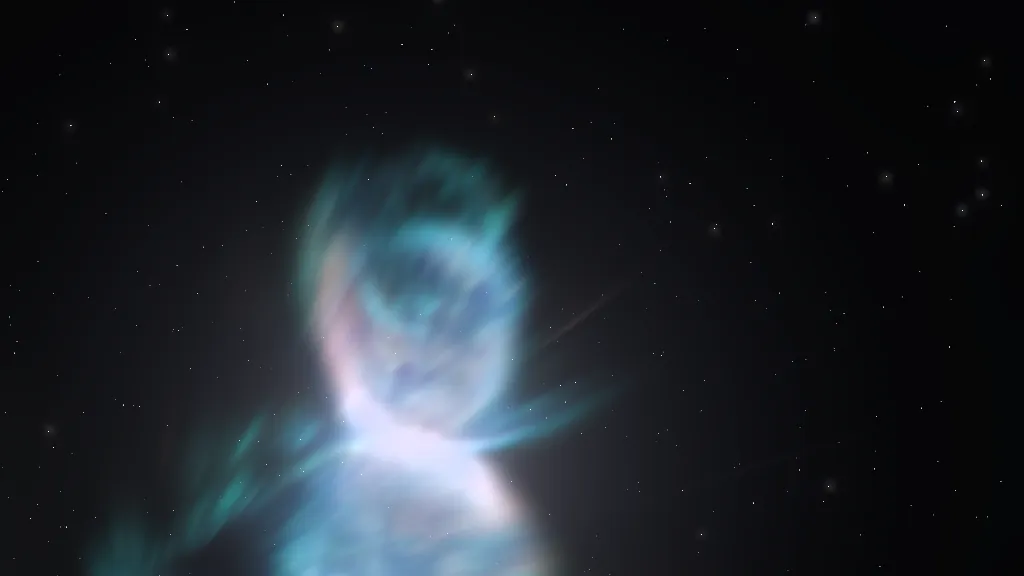 Best evenings: May to October (southern hemisphere) · seen south of about 43° N
The Butterfly Nebula
Planetary nebula · 3,400 light-years
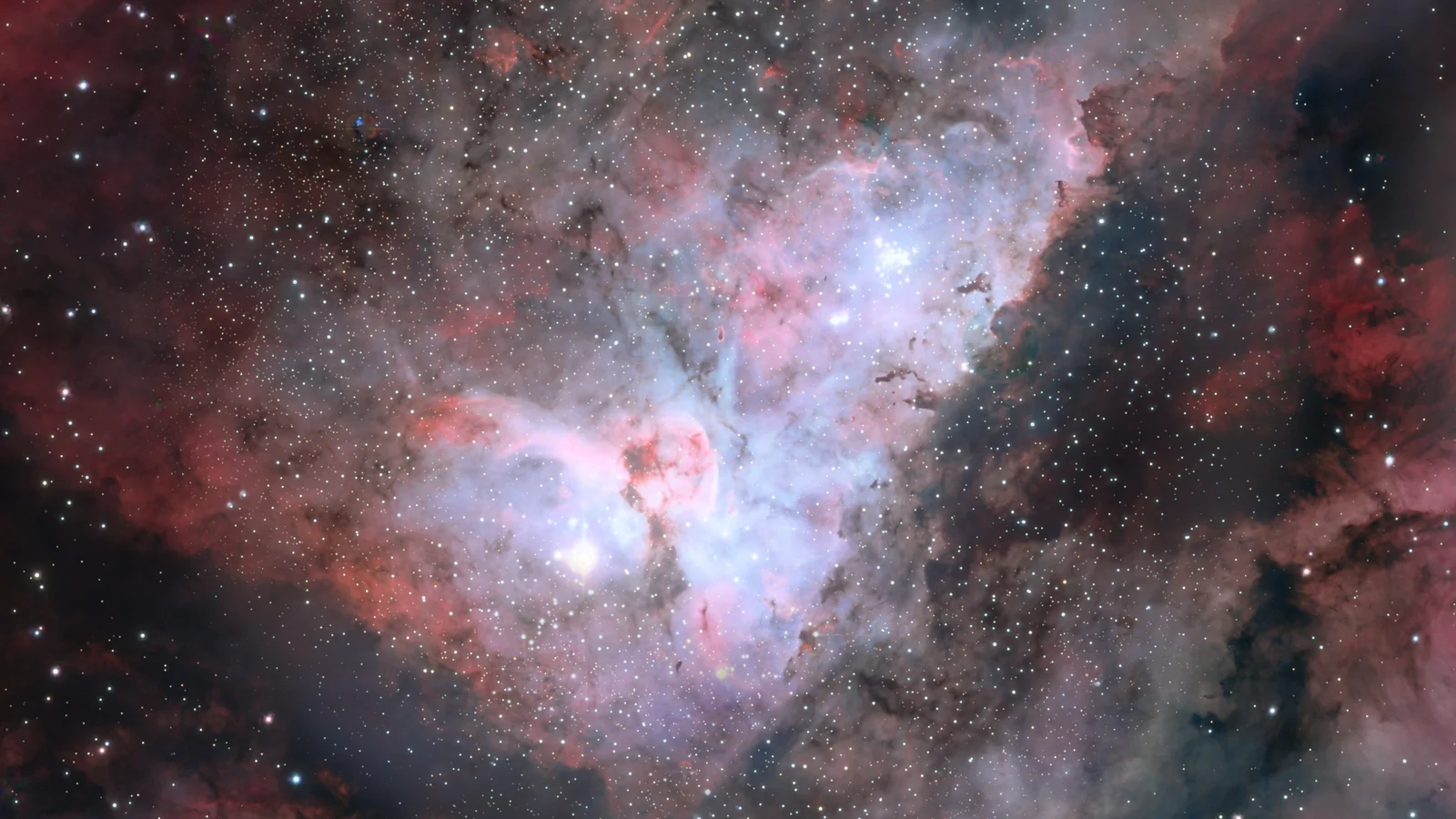 Best evenings: February to June (southern hemisphere) · seen south of about 20° N
The Carina Nebula
Emission nebula · 7,500 light-years
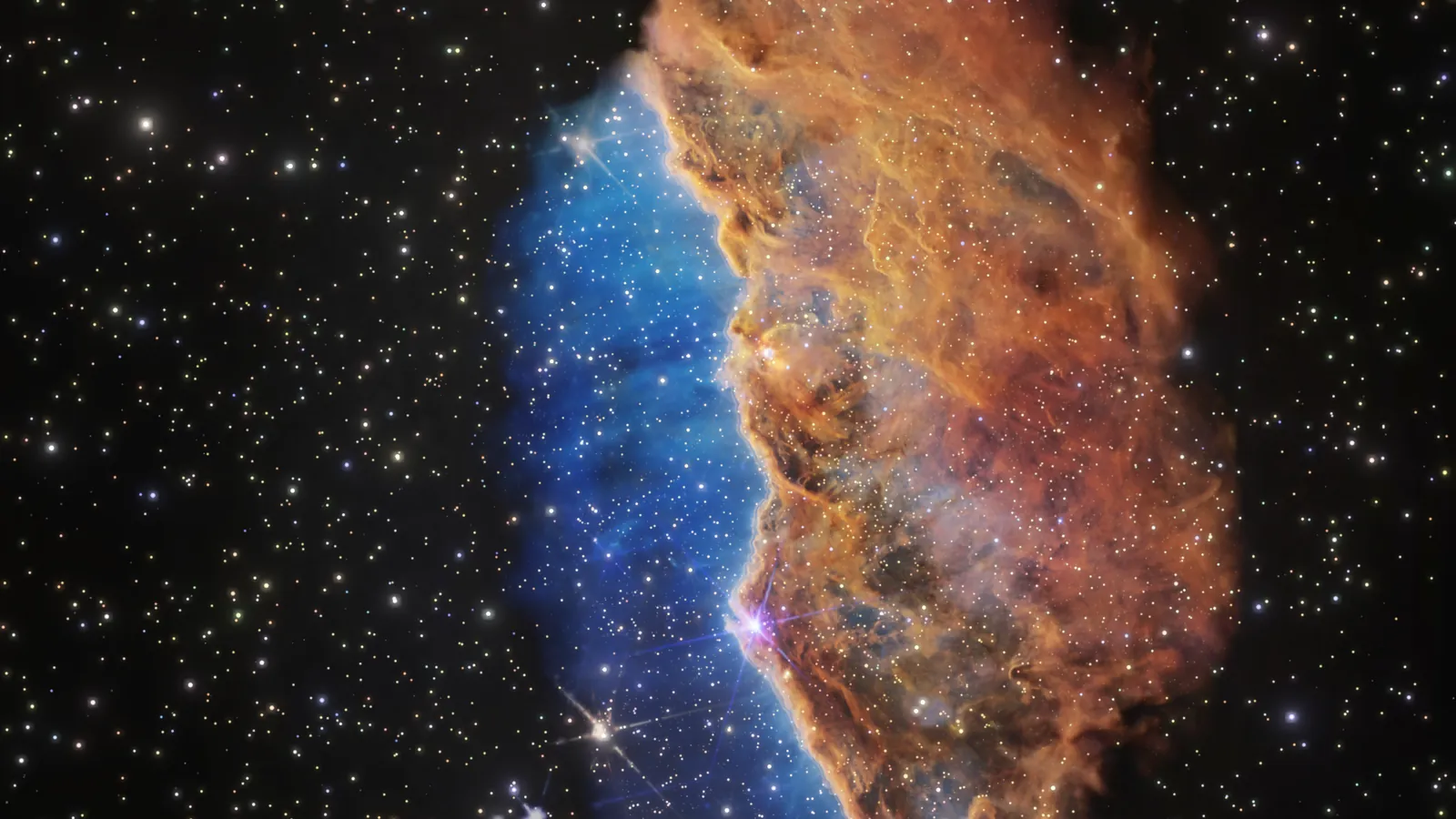 Best evenings: February to June (southern hemisphere) · seen south of about 21° N
The Cosmic Cliffs
Star-forming region · 7,600 light-years
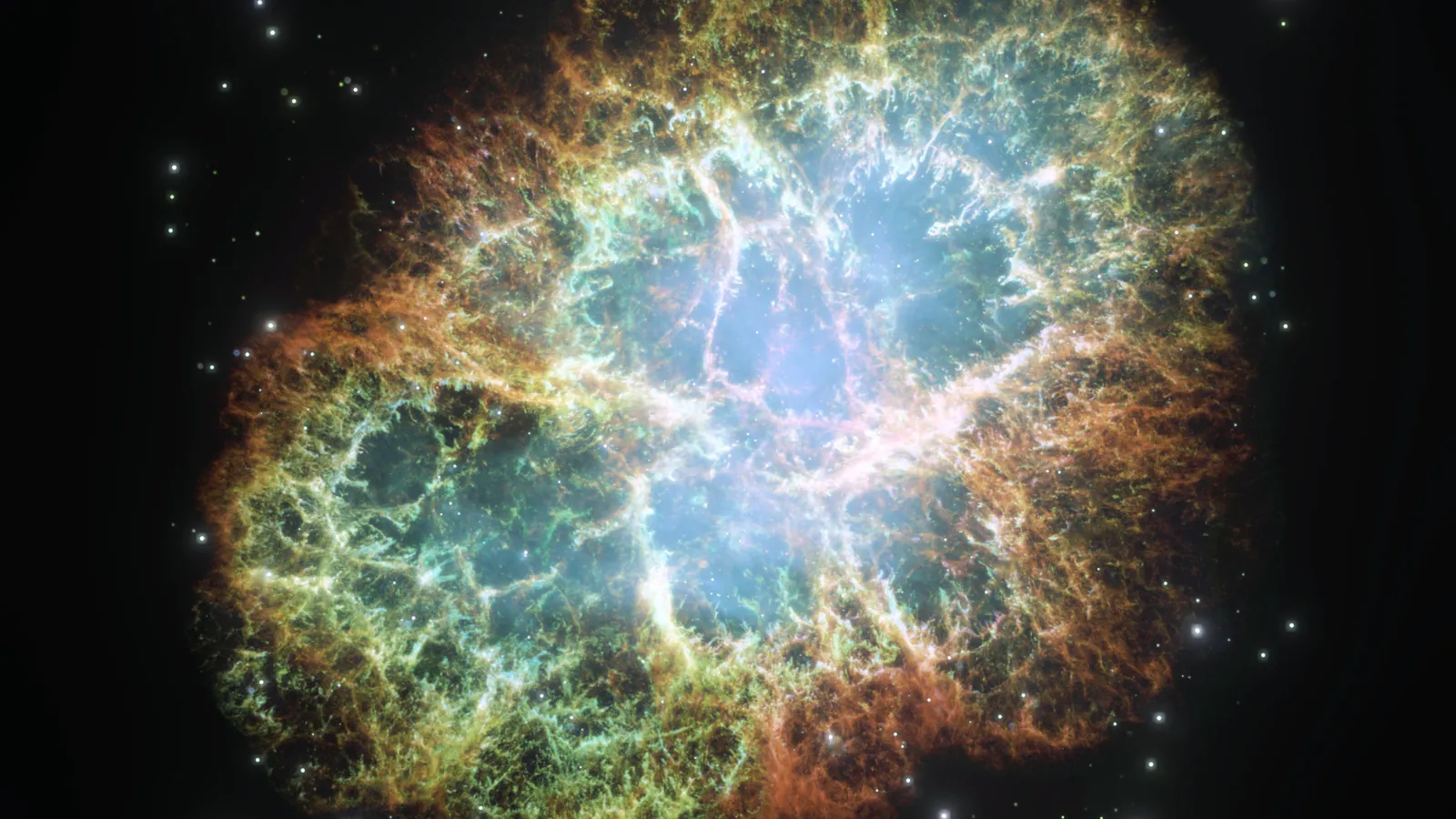 Best evenings: December to April · seen north of about 58° S
The Crab Nebula
Supernova remnant · 6,500 light-years
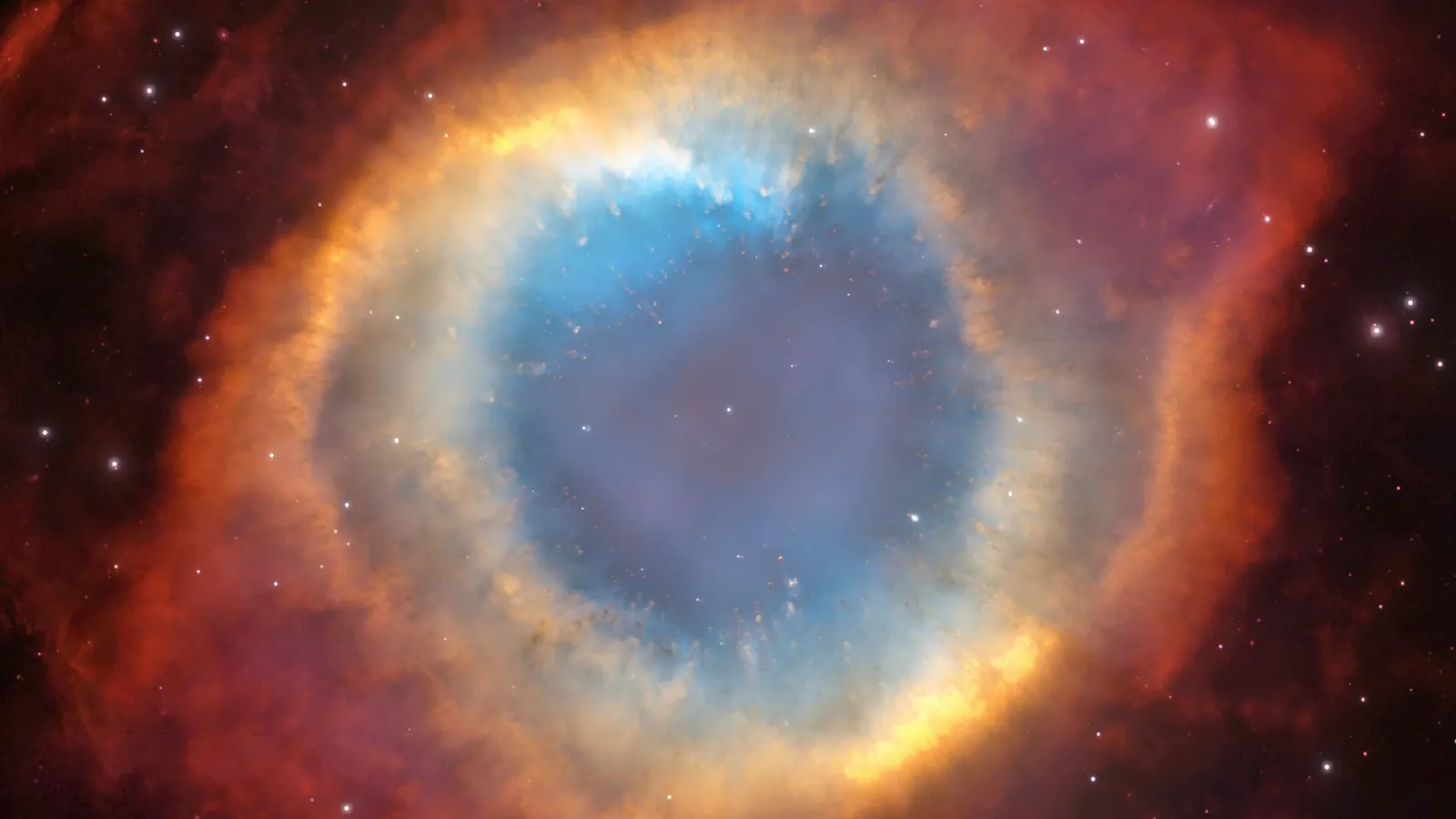 Best evenings: August to December (southern hemisphere) · seen south of about 59° N
The Helix Nebula
Planetary nebula · 655 light-years
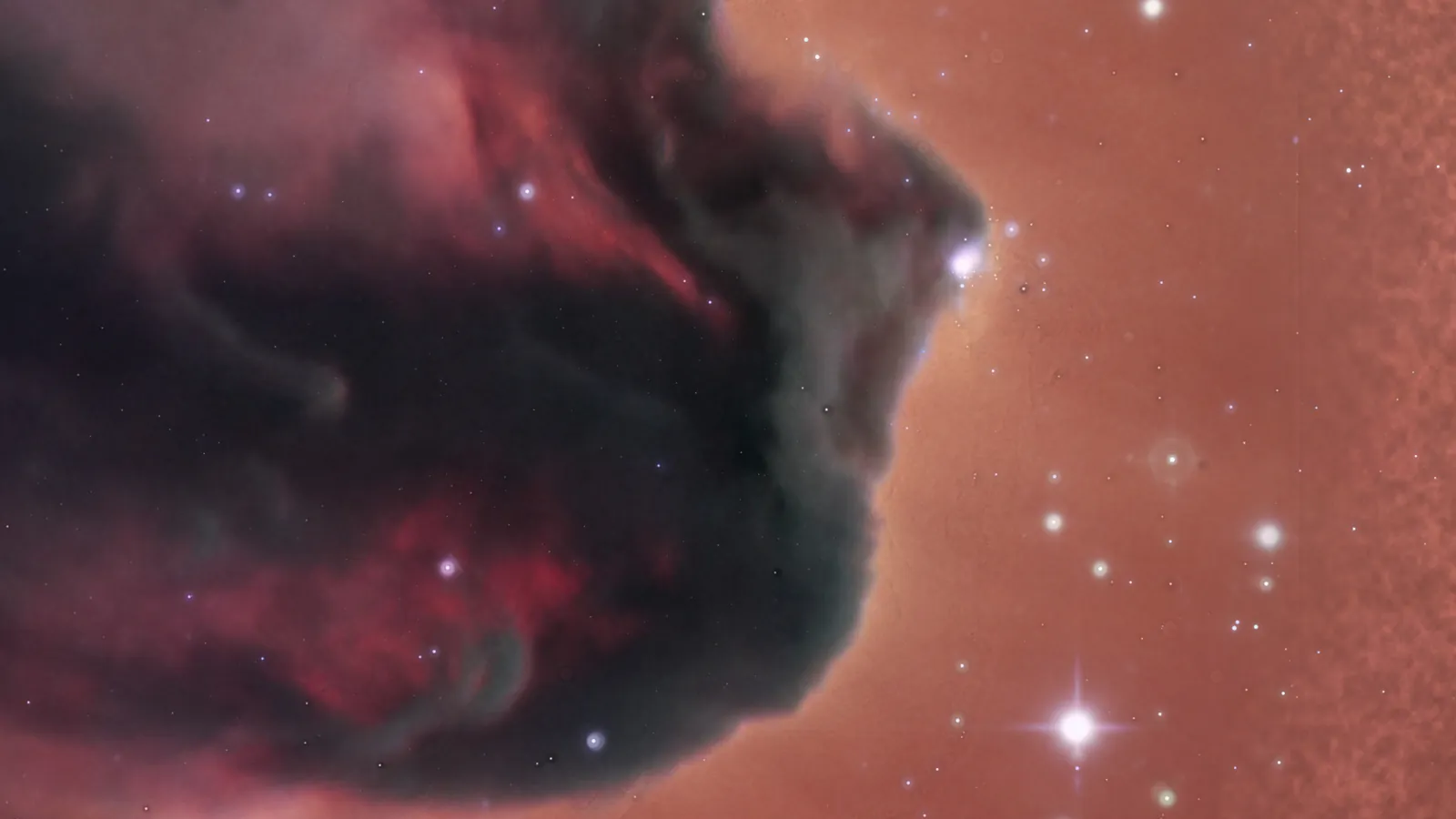 Best evenings: January to March · seen south of about 78° N
The Horsehead Nebula
Dark nebula · 1,300 light-years
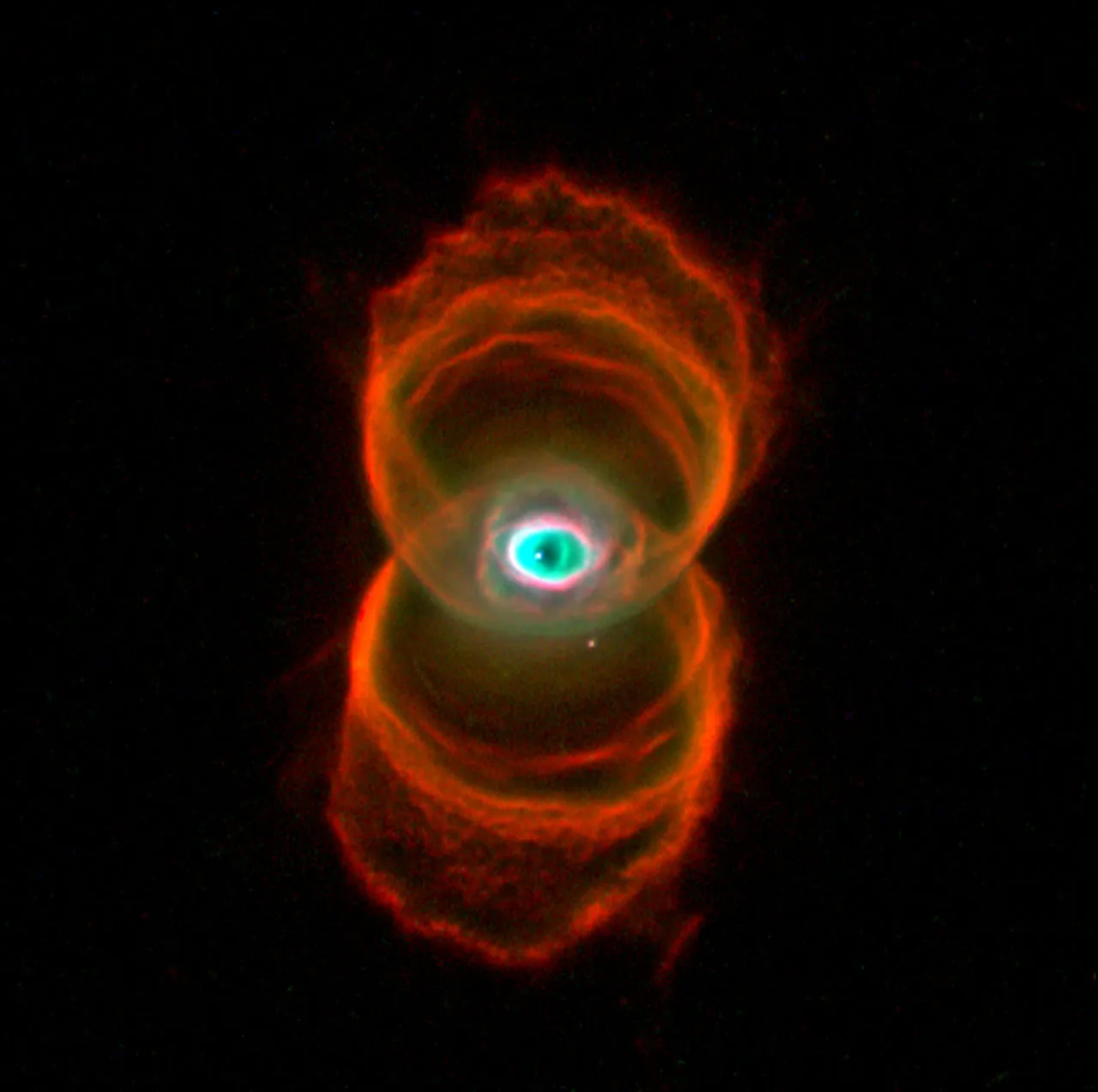 Best evenings: March to August (southern hemisphere) · seen south of about 13° N
The Hourglass Nebula
Planetary nebula · 8,000 light-years
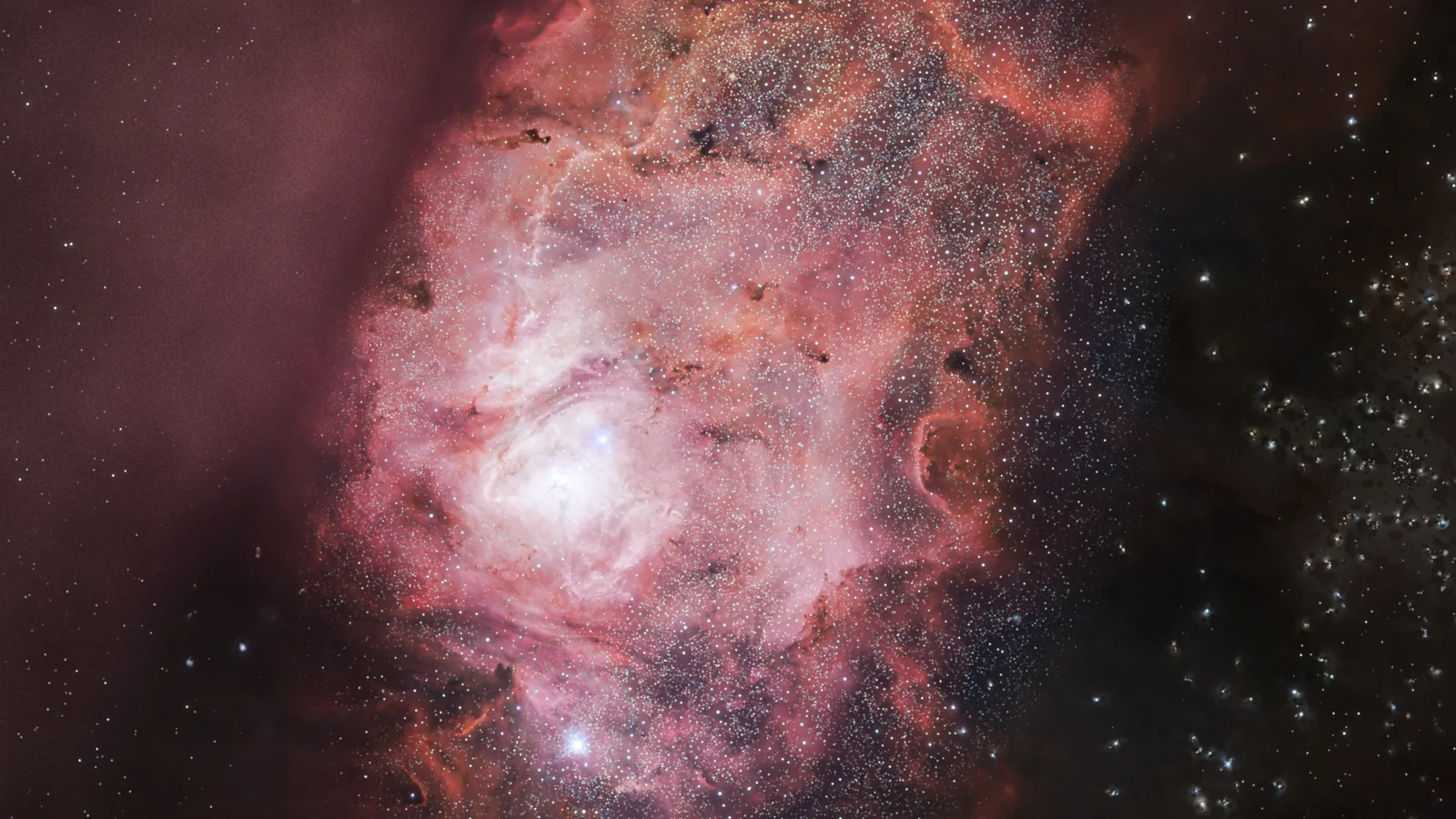 Best evenings: June to October (southern hemisphere) · seen south of about 56° N
The Lagoon Nebula
Emission nebula · 5,200 light-years
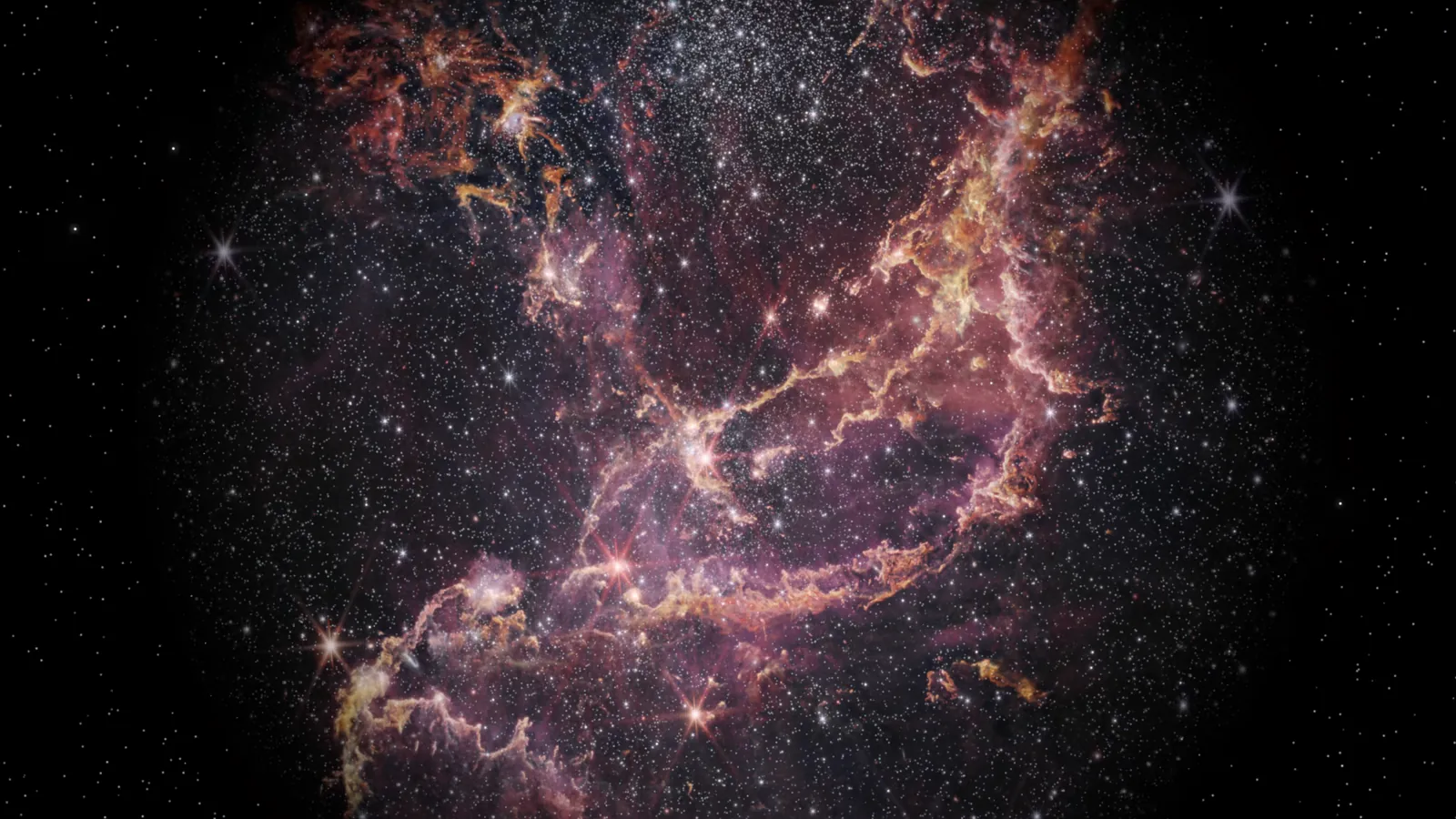 Best evenings: August to February (southern hemisphere) · seen south of about 8° N
NGC 346
Star-forming region · 200,000 light-years
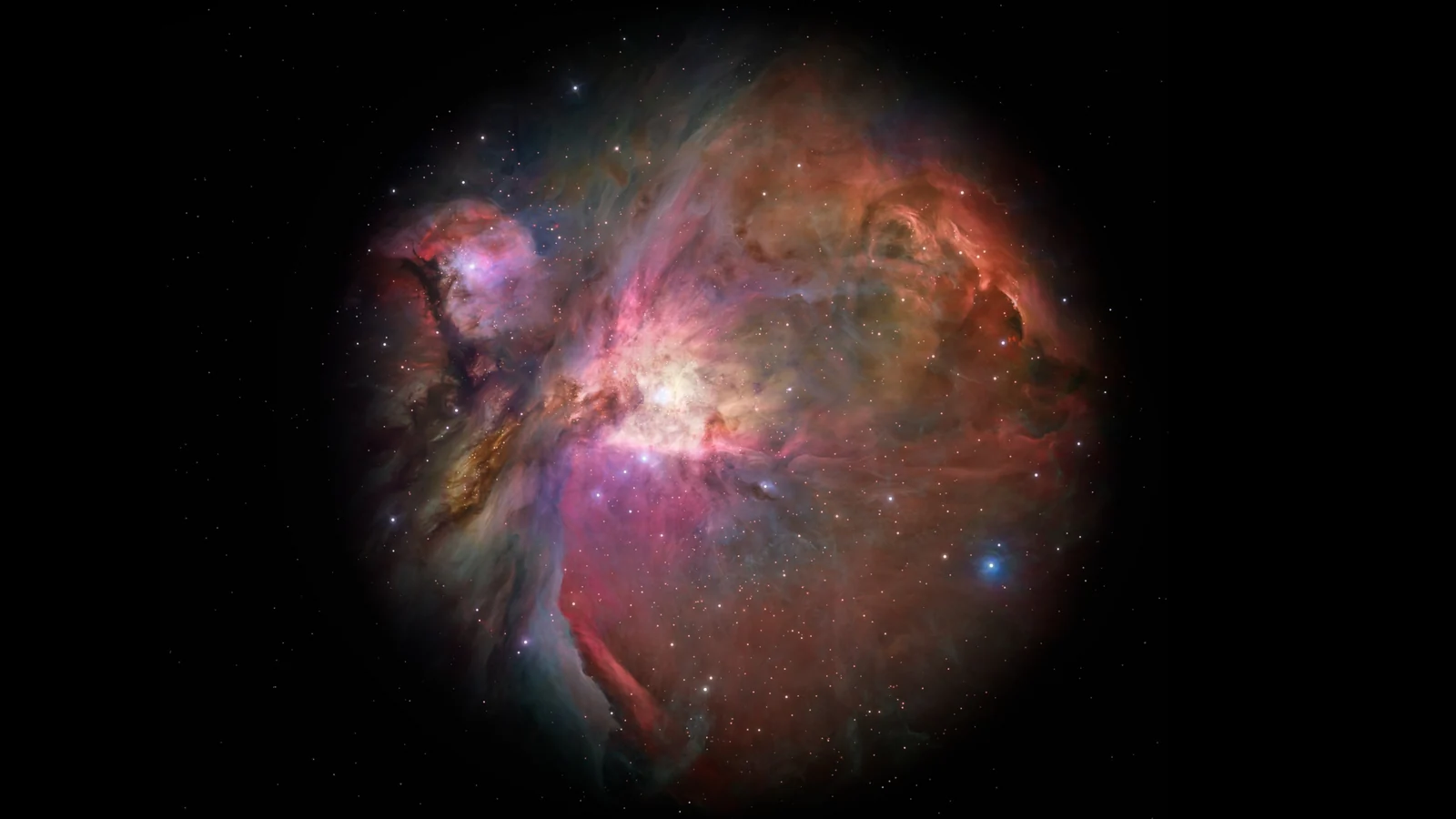 Best evenings: January to March · seen south of about 75° N
The Orion Nebula
Emission nebula · 1,344 light-years
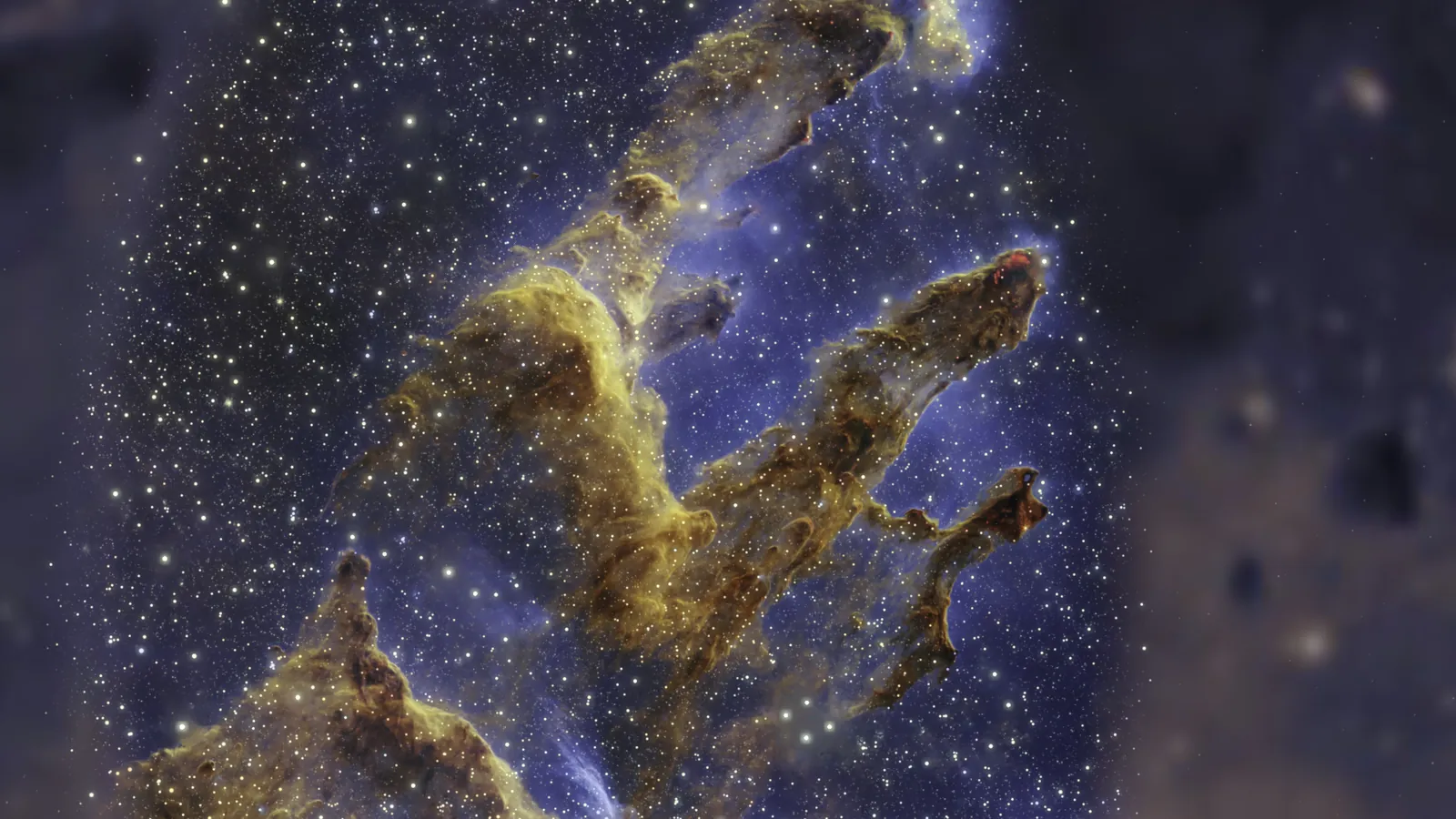 Best evenings: June to October · seen south of about 66° N
The Pillars of Creation
Star-forming pillars · 6,500 light-years
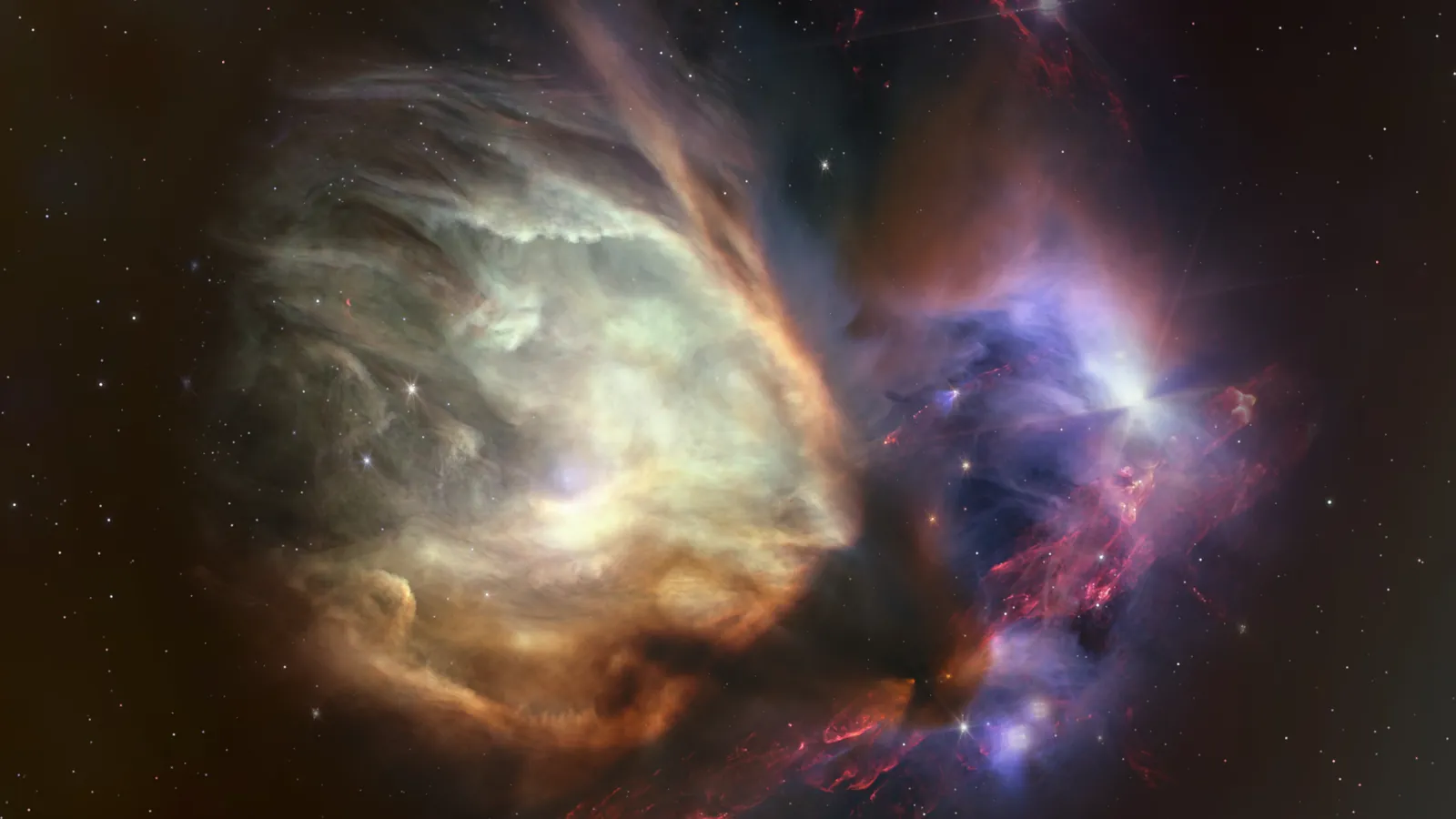 Best evenings: May to September (southern hemisphere) · seen south of about 57° N
The Rho Ophiuchi cloud complex
Star-forming cloud · 390 light-years
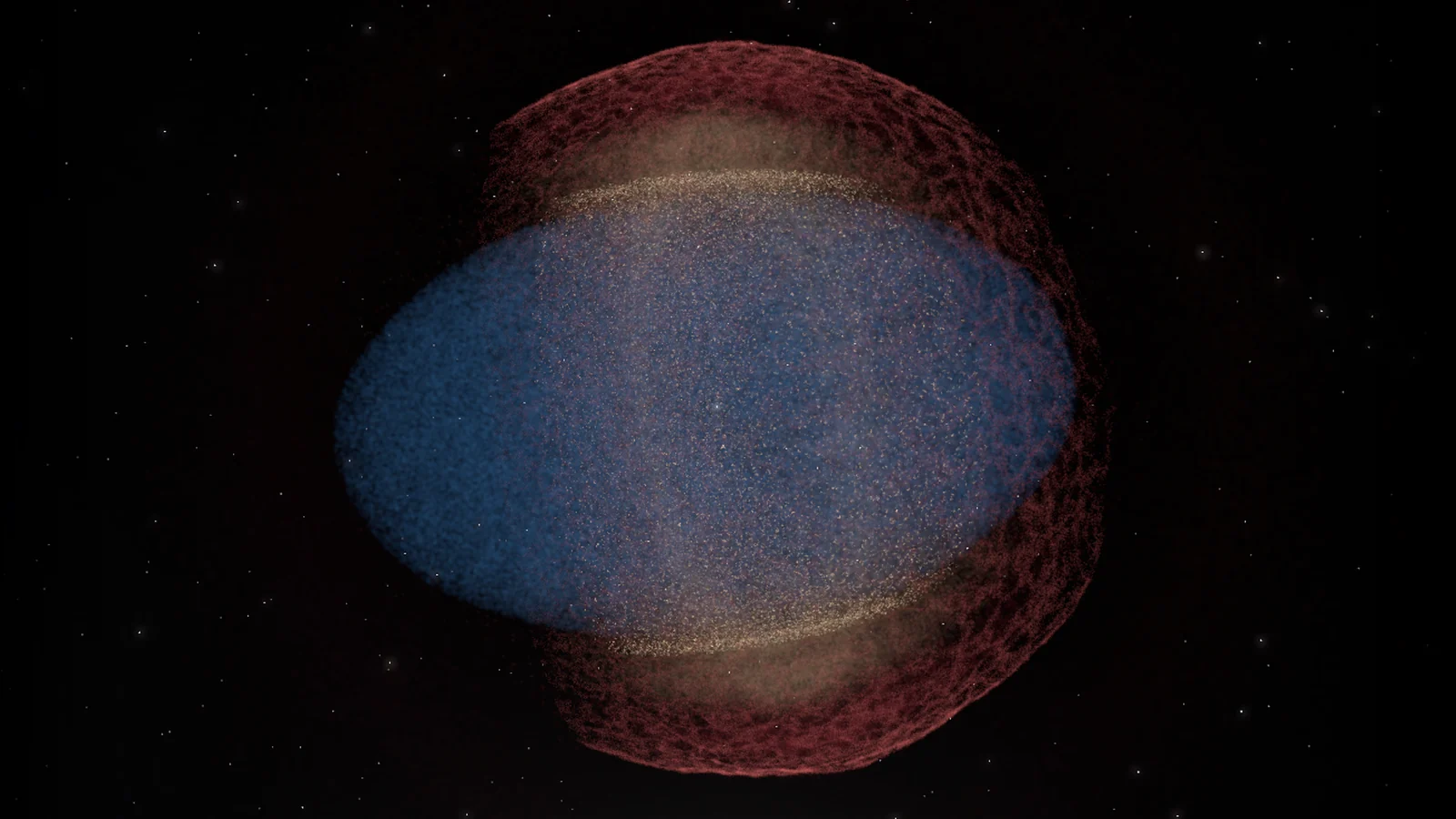 Best evenings: July to October (northern hemisphere) · seen north of about 47° S
The Ring Nebula
Planetary nebula · 2,500 light-years
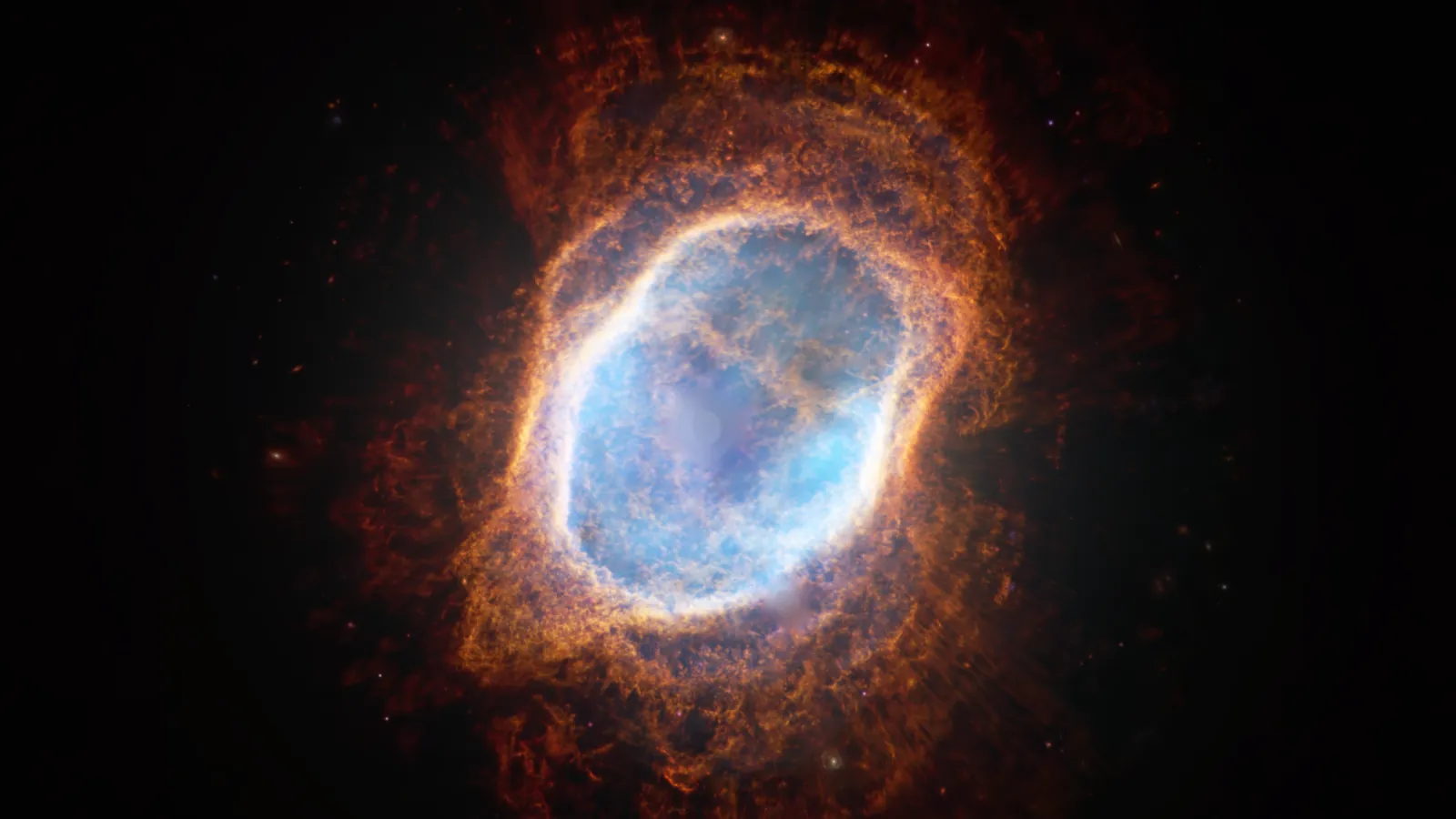 Best evenings: February to June (southern hemisphere) · seen south of about 40° N
The Southern Ring Nebula
Planetary nebula · 2,500 light-years
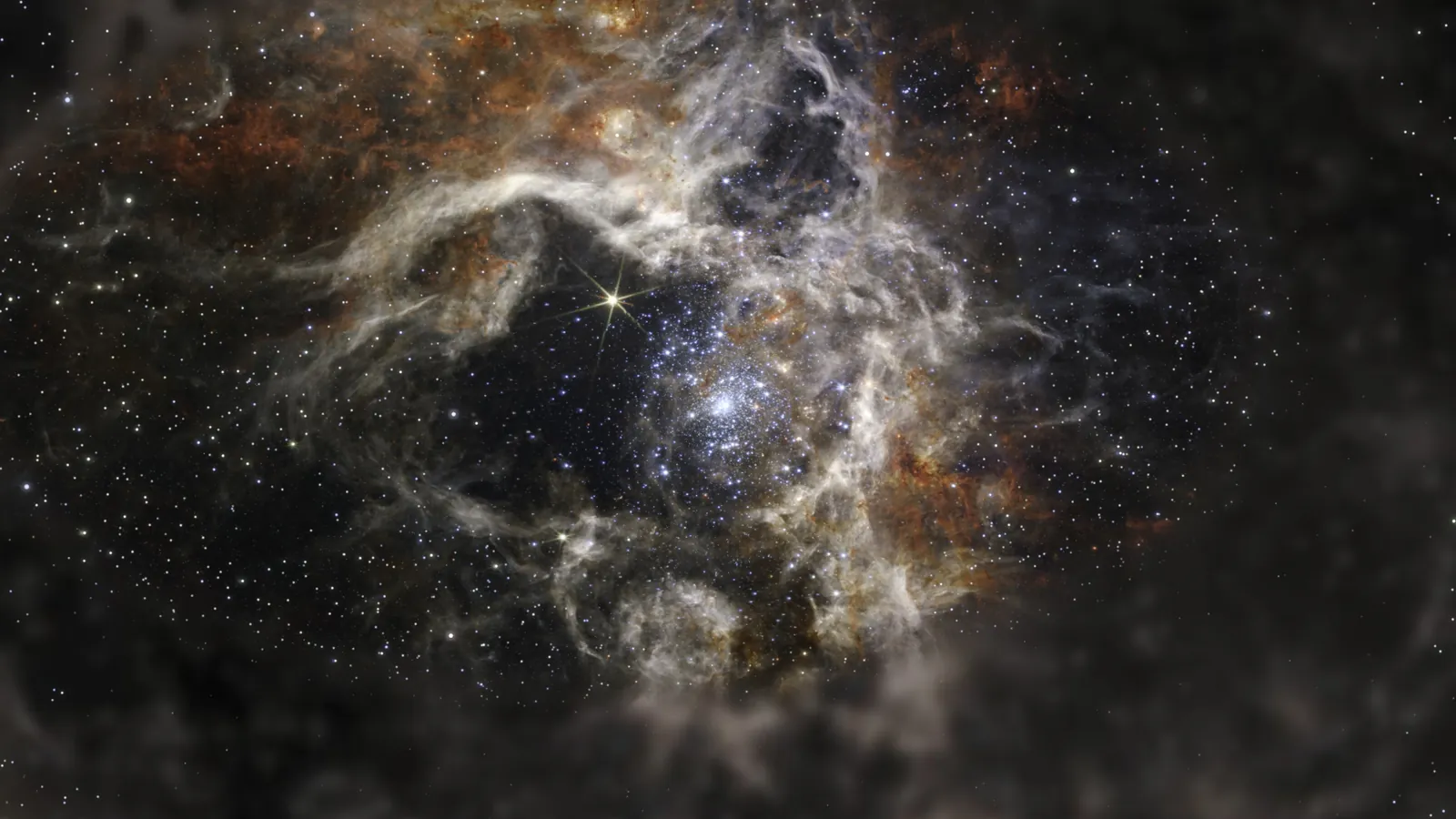 Best evenings: November to April (southern hemisphere) · seen south of about 11° N
The Tarantula Nebula
Emission nebula · 161,000 light-years
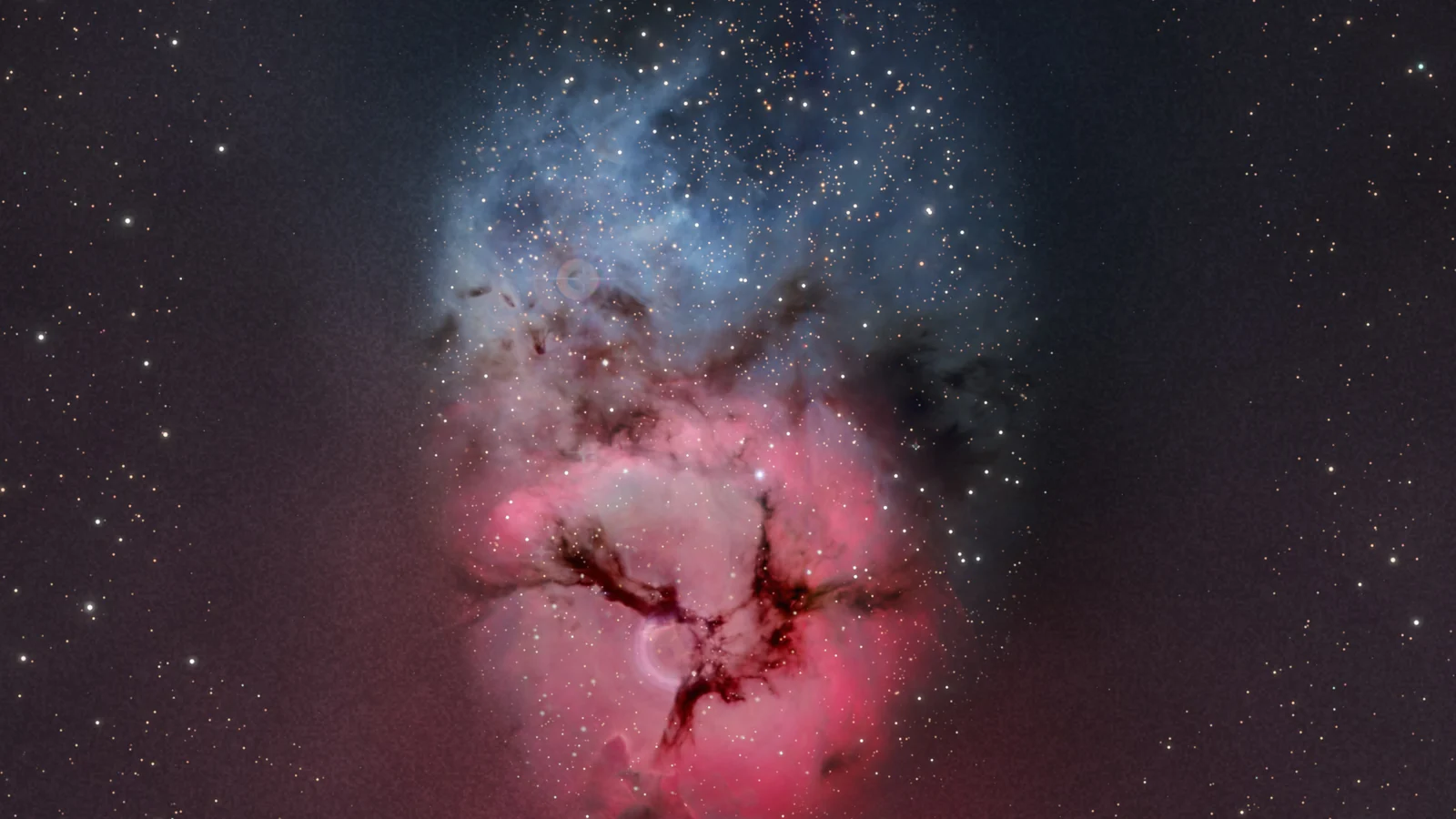 Best evenings: June to October (southern hemisphere) · seen south of about 57° N
The Trifid Nebula
Emission nebula · 5,000 light-years
 Best evenings: August to November (northern hemisphere) · seen north of about 49° S
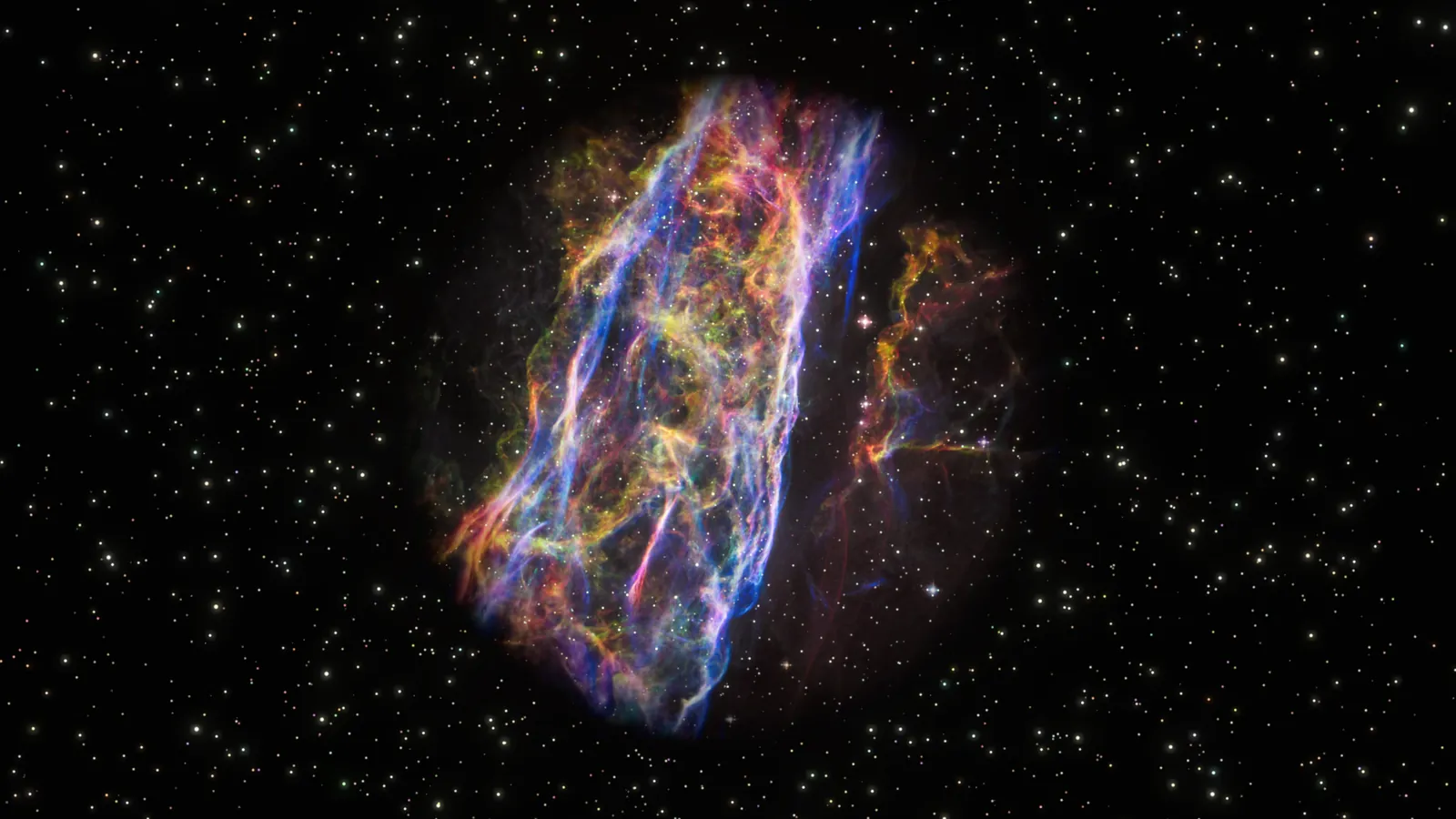
The Veil Nebula
Supernova remnant · 2,400 light-years
Galaxies
 Best evenings: November to April (southern hemisphere) · seen south of about 10° N
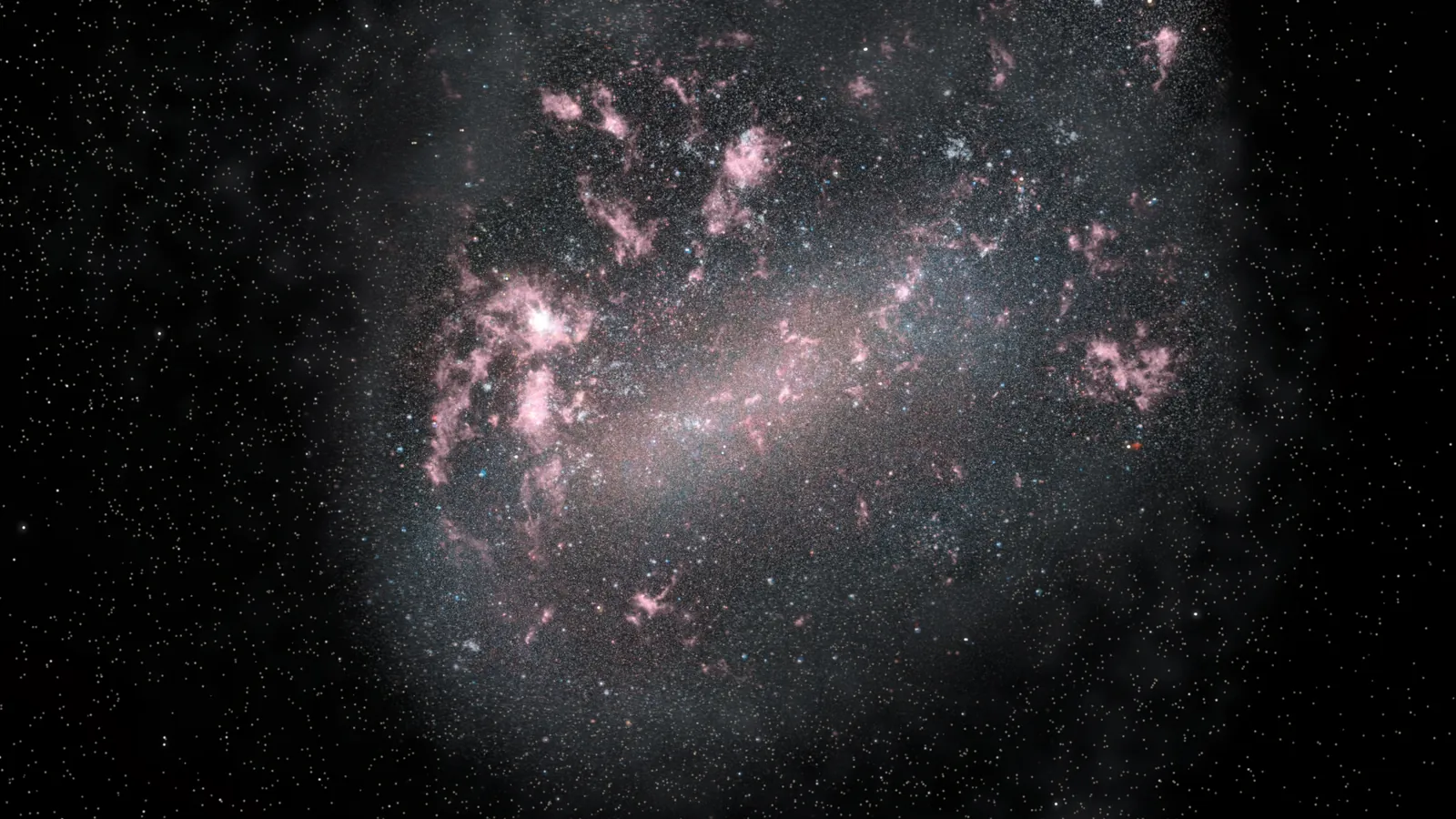
The Large Magellanic Cloud
Satellite galaxy · 163,000 light-years
 Best evenings: August to February (southern hemisphere) · seen south of about 7° N
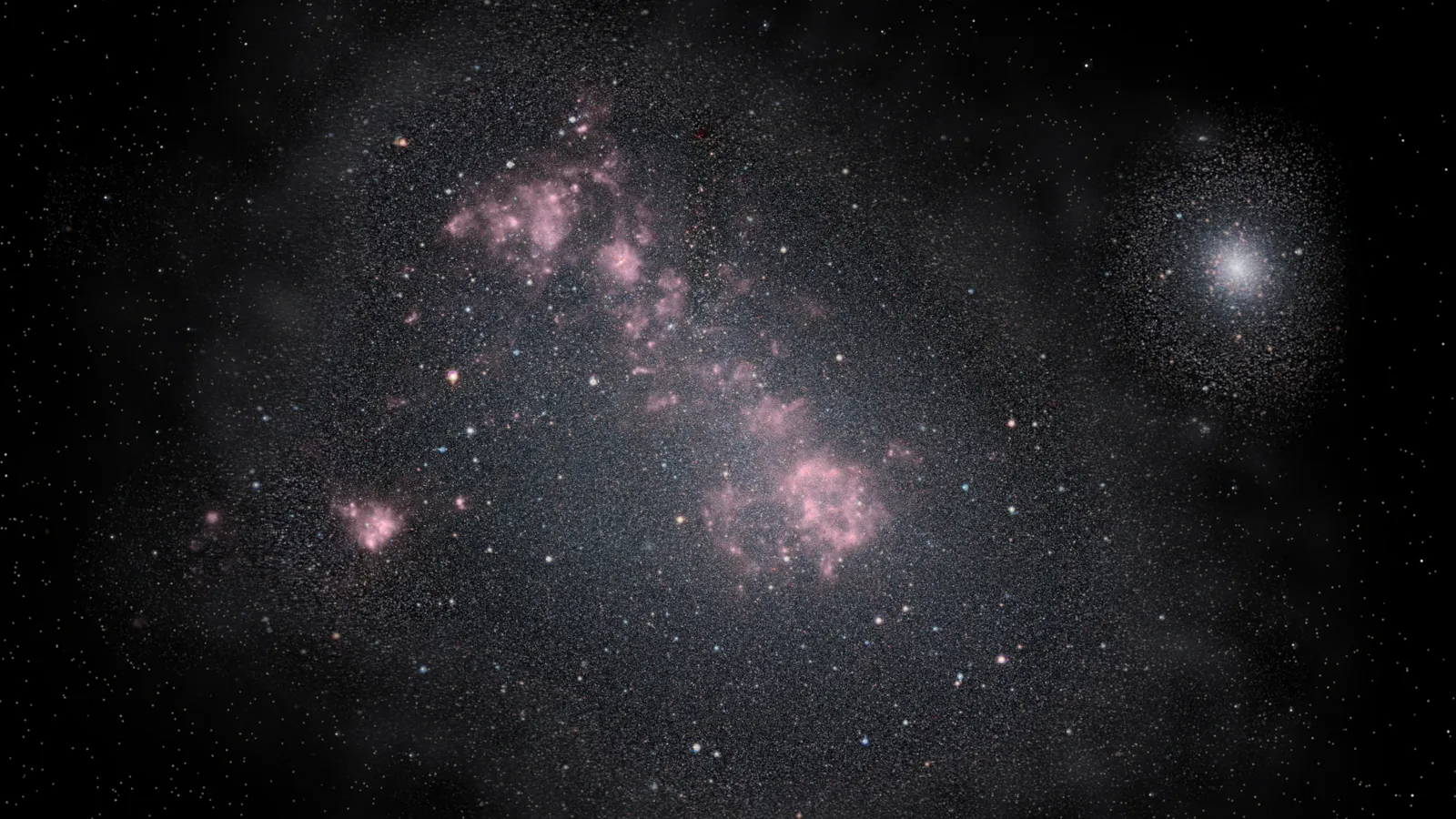
The Small Magellanic Cloud
Satellite galaxy · 200,000 light-years
 Best evenings: August to December (northern hemisphere) · seen north of about 46° S
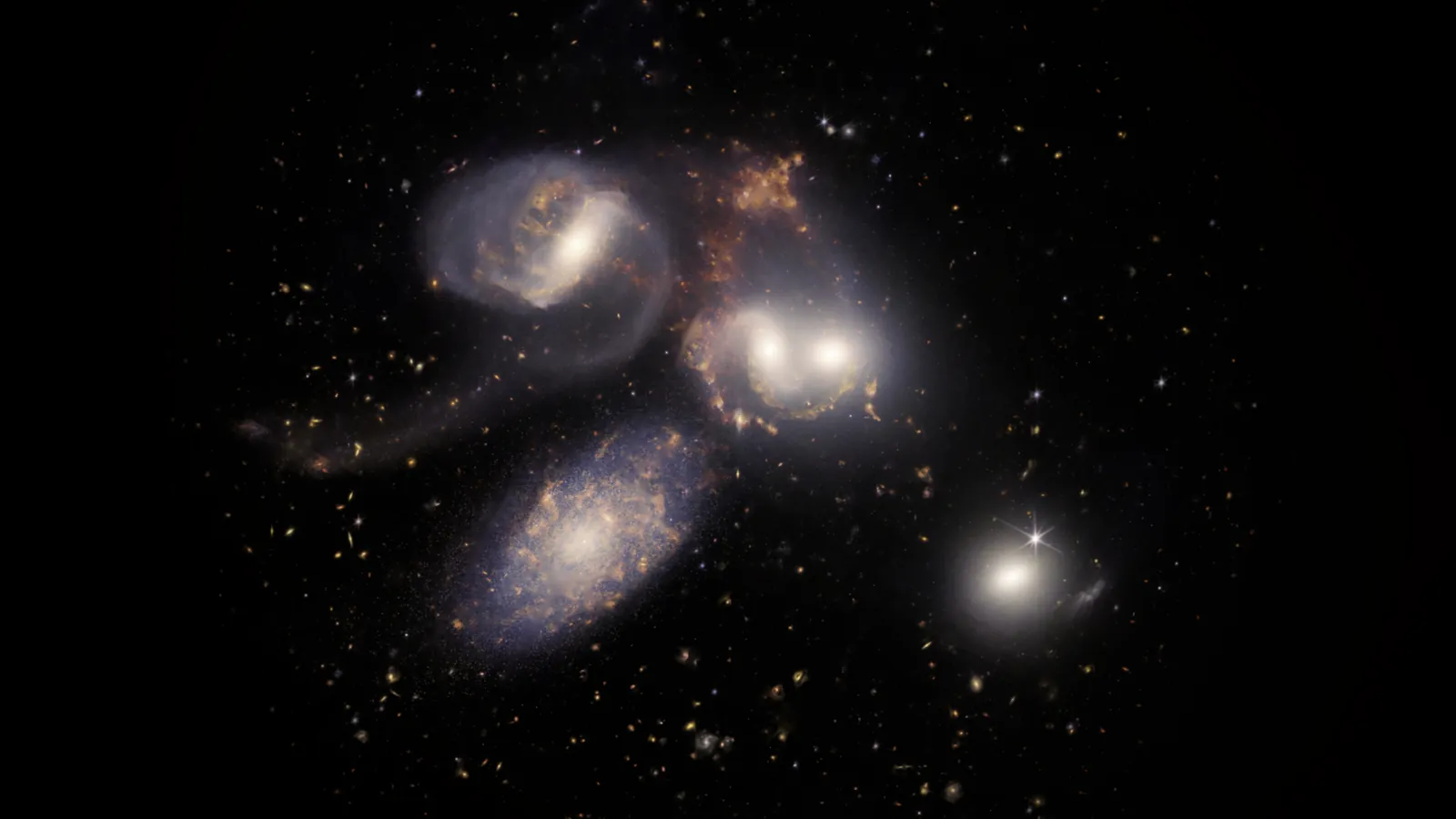
Stephan's Quintet
Galaxy group · 290 million light-years
Star clusters
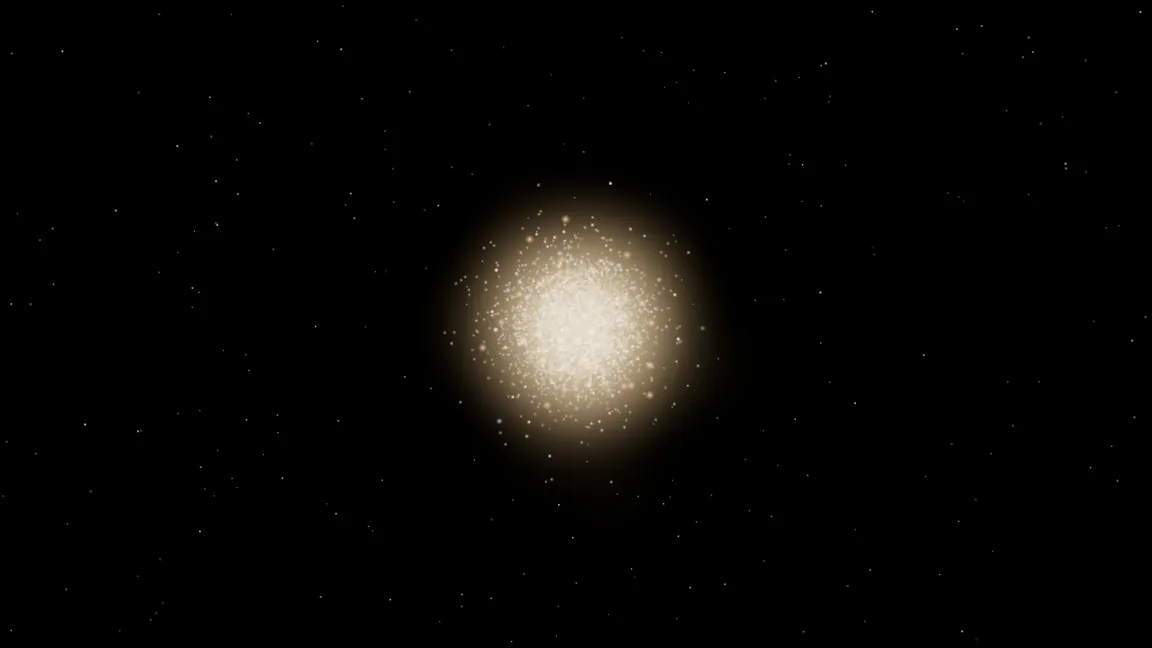 Best evenings: August to February (southern hemisphere) · seen south of about 8° N
47 Tucanae
Globular star cluster · 16,700 light-years
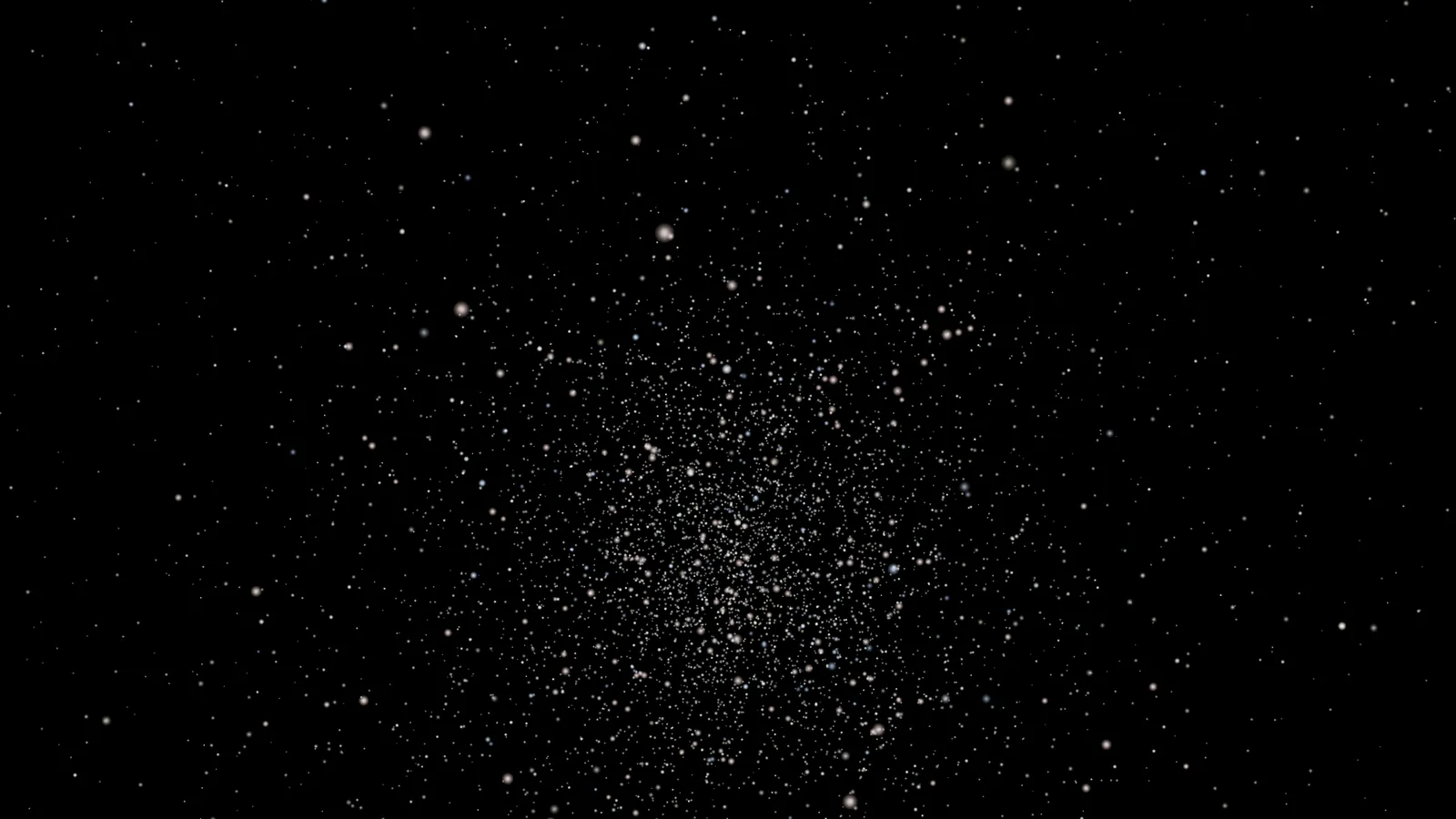 Best evenings: January to May · seen north of about 60° S
The Beehive Cluster
Open star cluster · 600 light-years
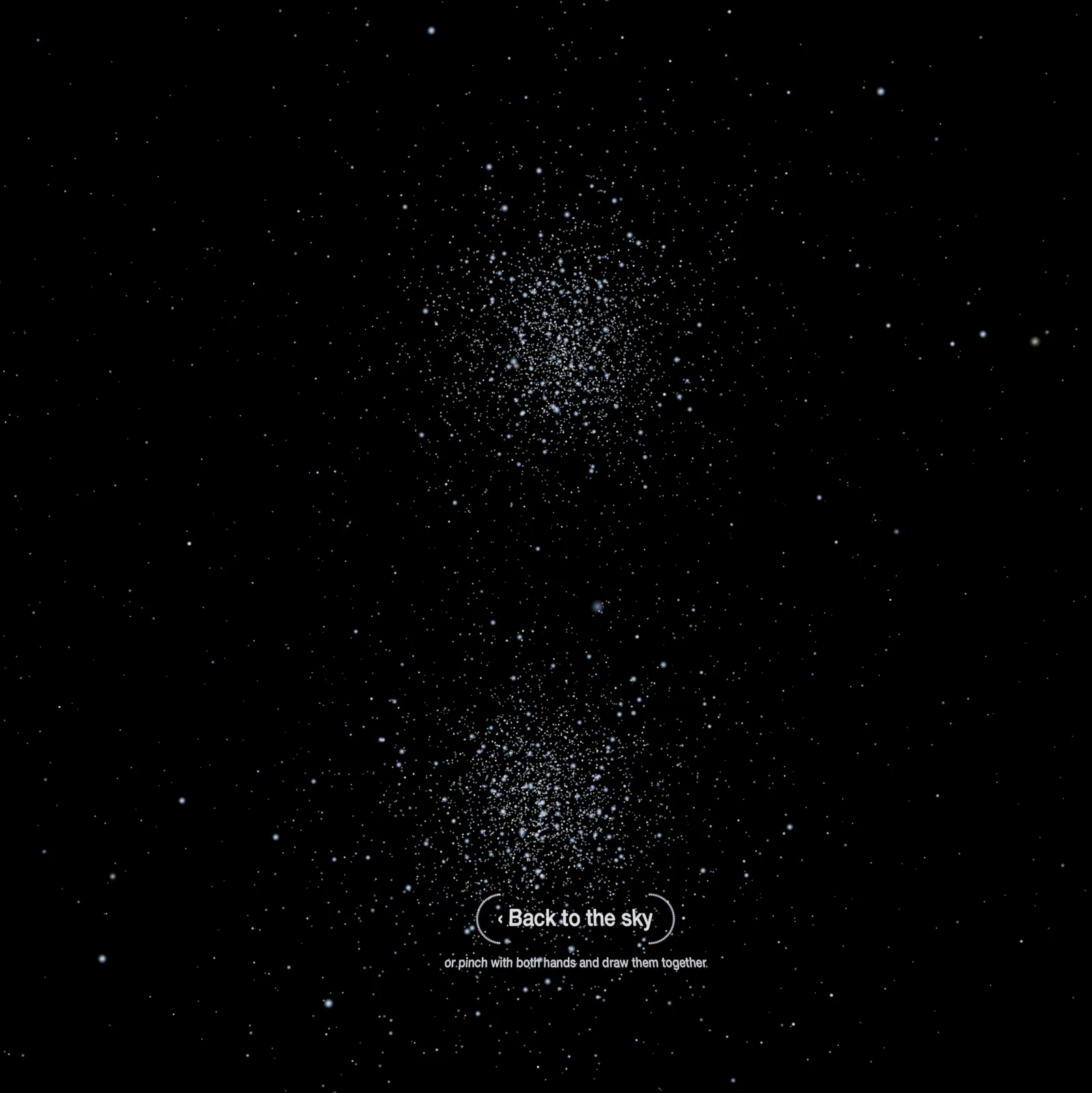 Best evenings: October to March (northern hemisphere) · seen north of about 23° S
The Double Cluster
Two open star clusters · 7,000 light-years
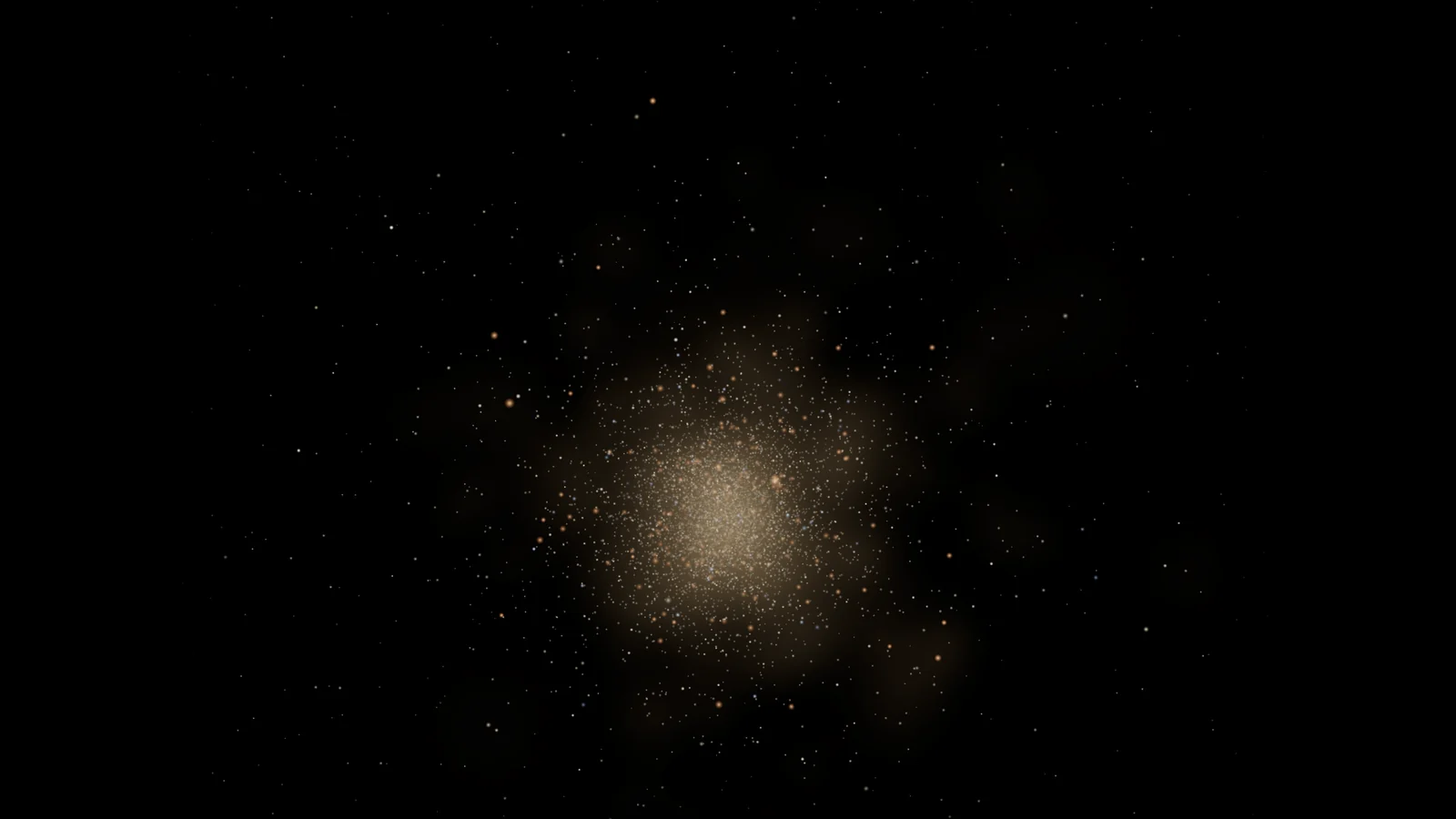 Best evenings: April to August (southern hemisphere) · seen south of about 33° N
Omega Centauri
Globular star cluster · 17,000 light-years
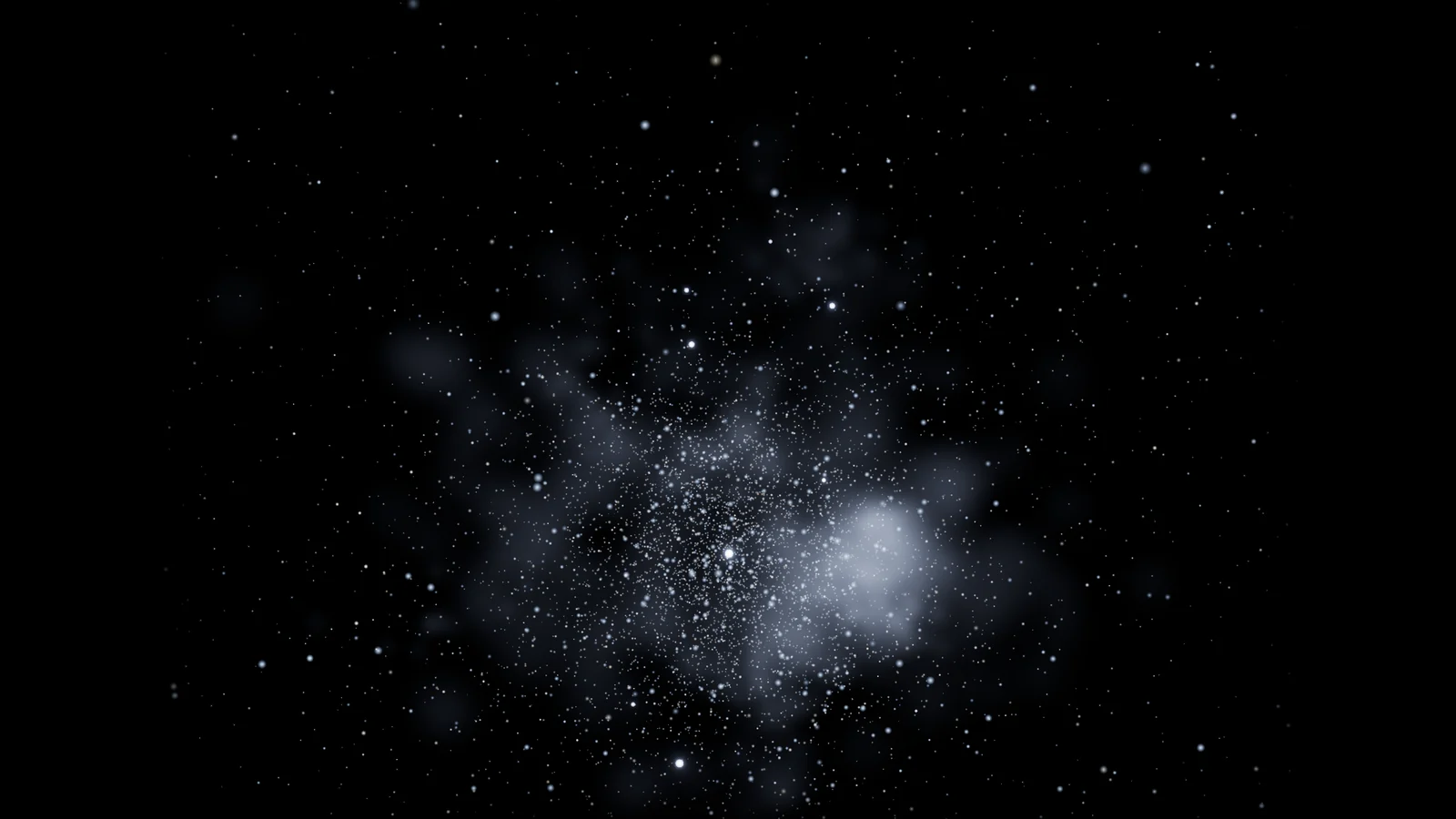 Best evenings: November to March · seen north of about 56° S
The Pleiades
Open star cluster · 445 light-years
 Best evenings: June to October · seen south of about 61° N
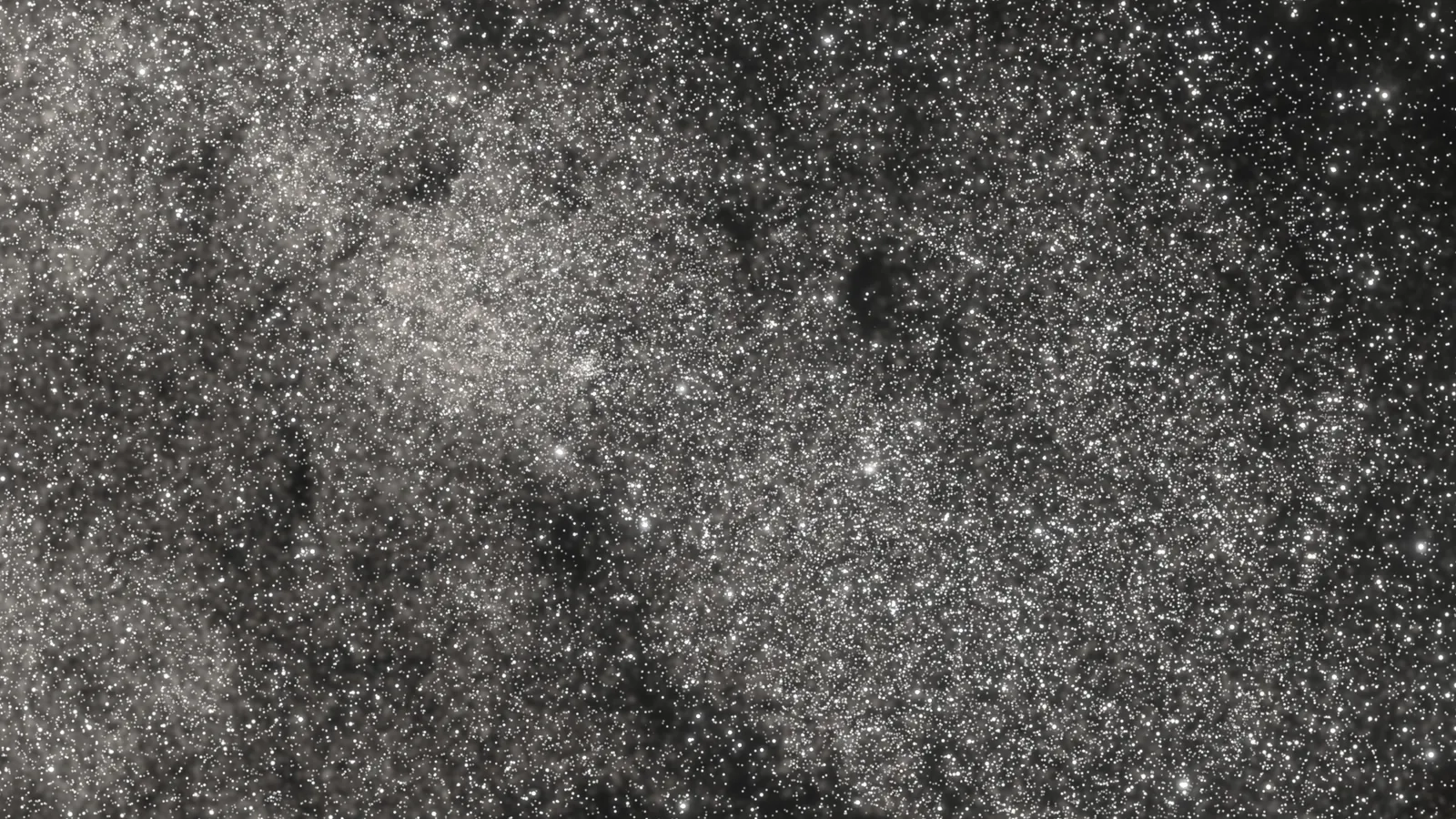
The Sagittarius Star Cloud
Star cloud · 10,000 to 16,000 light-years
Stars and black holes
 Best evenings: December to April · seen north of about 73° S
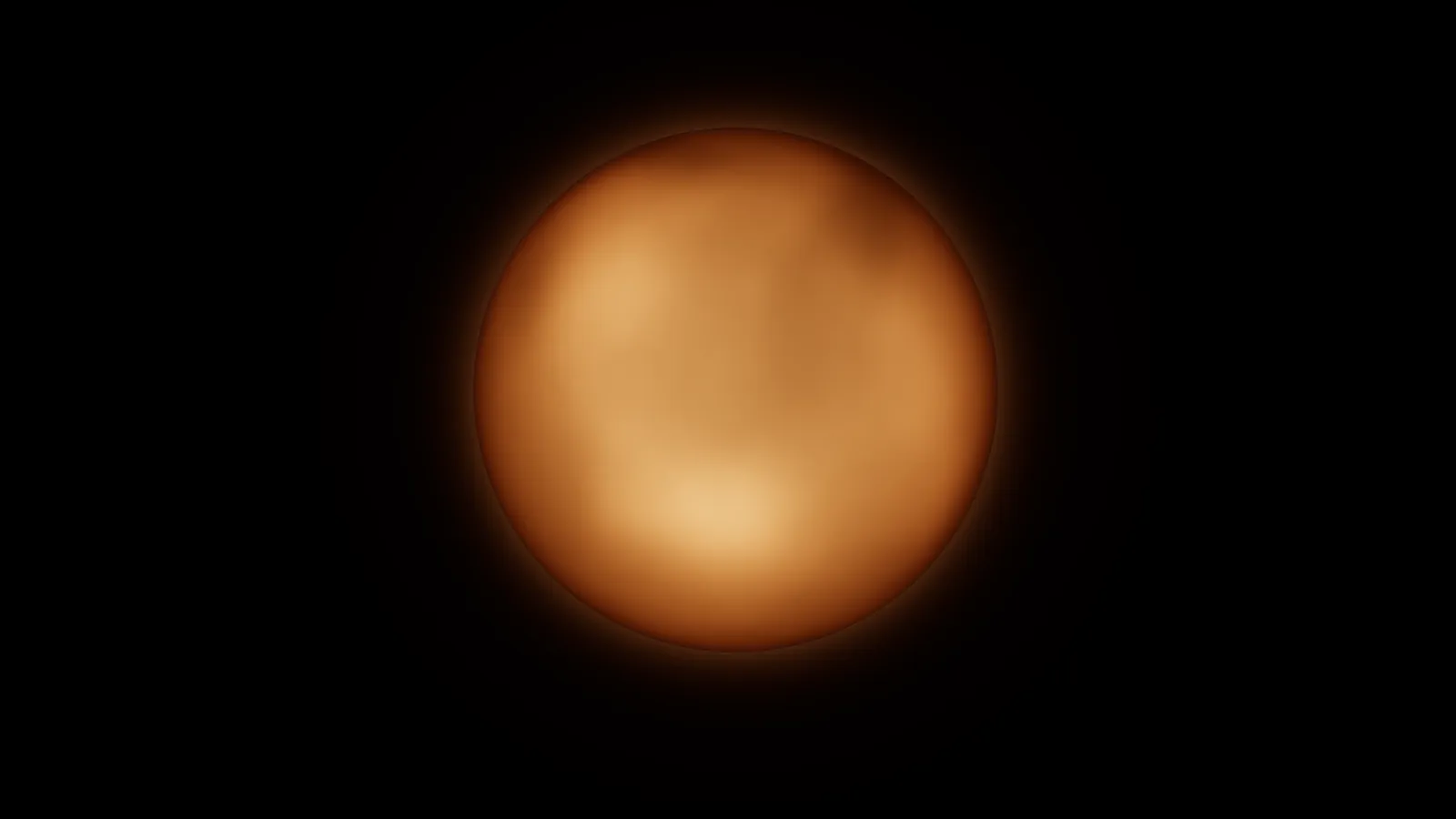
Betelgeuse
Red supergiant star · 700 light-years
 Best evenings: July to November (northern hemisphere) · seen north of about 45° S
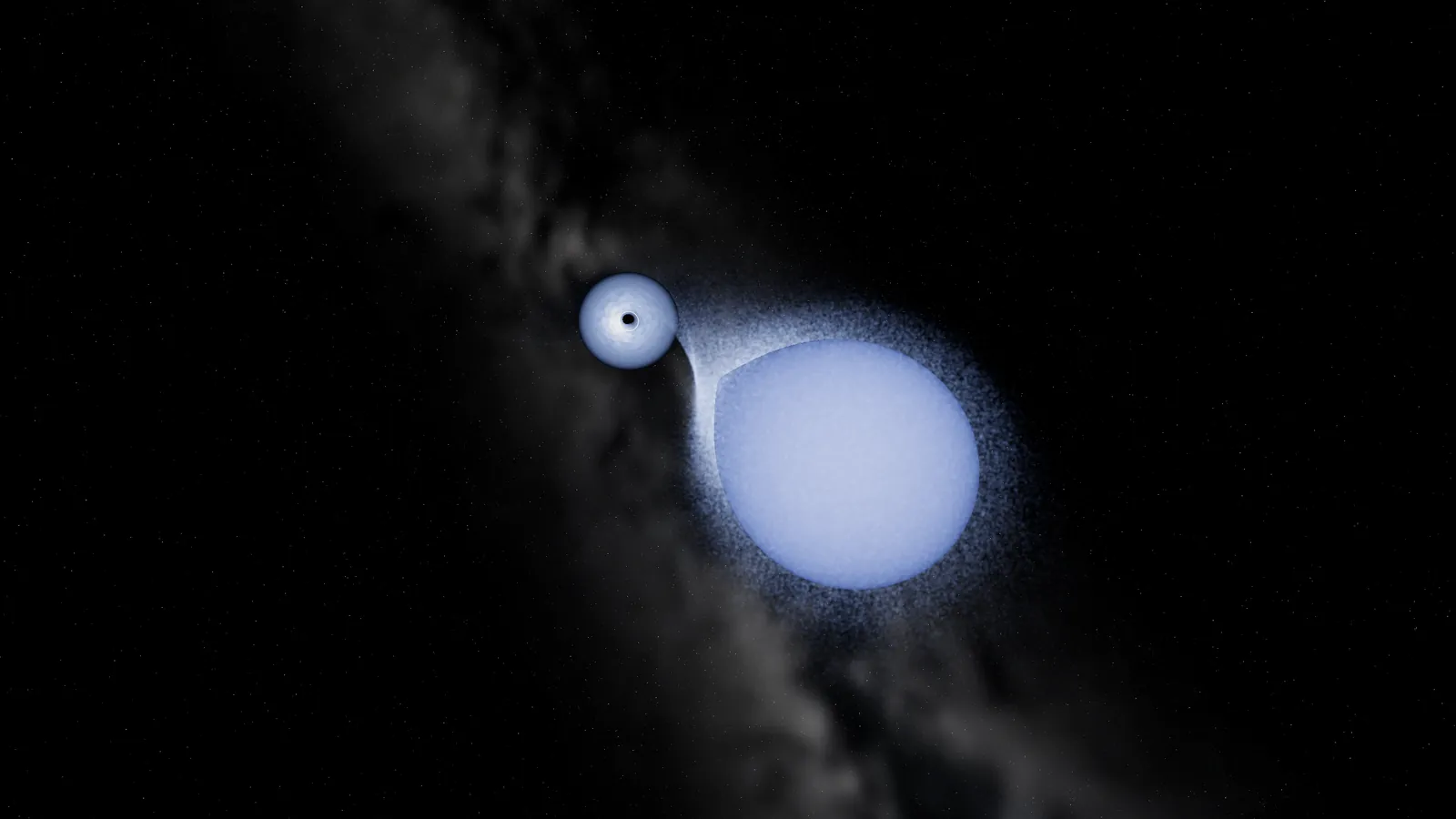
Cygnus X-1
Black hole · 7,200 light-years
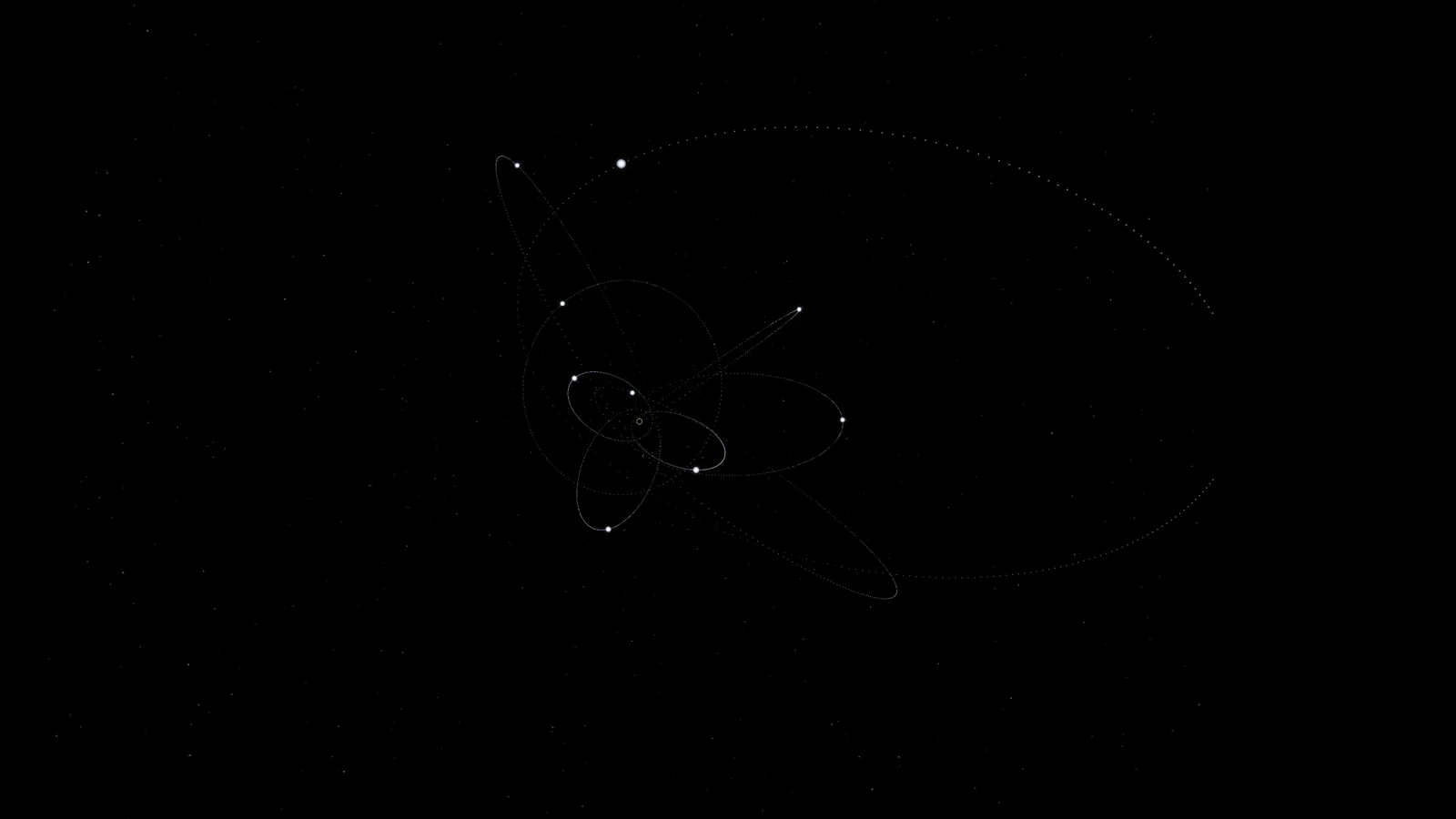 Best evenings: June to October (southern hemisphere) · seen south of about 51° N
Sagittarius A*
Black hole · 27,000 light-years
Seasons and latitudes computed November 8, 2026 with Astronomy Engine: “evenings” means at least 30° up at 9 pm at mid-northern or mid-southern latitudes; “seen” means it climbs at least 10° above the horizon there. Tonight is worked out in your browser for the city you choose, or your own location (which stays on your device). Distances are from the deep-sky catalog in Everdust’s Night Sky, each quoted from NASA, ESA or ESO on its page.