Cygnus X-1
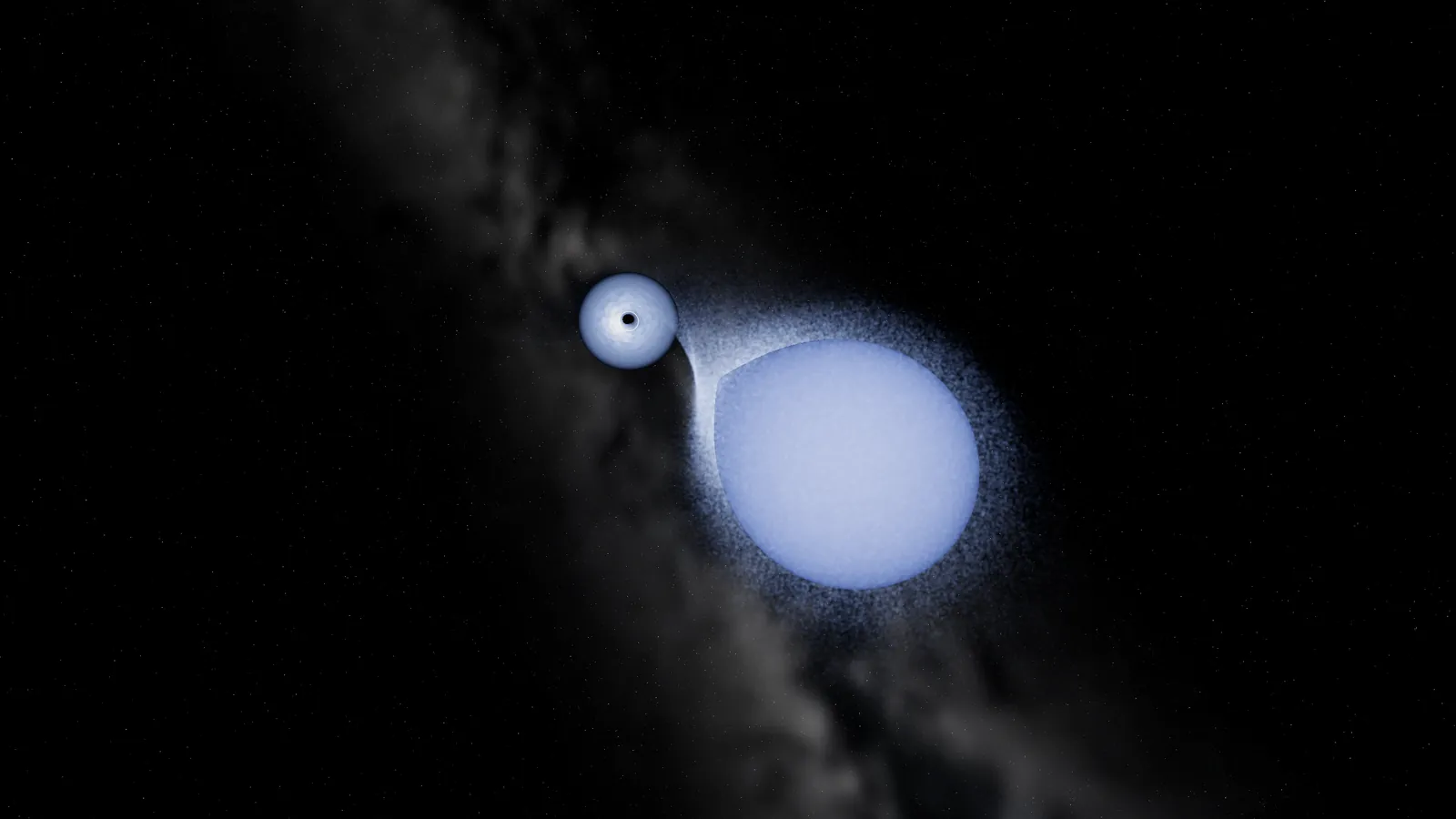
Cygnus X-1 is the first black hole ever confirmed: a black hole of about 21 Suns orbiting a blue supergiant star of about 41, every 5.6 days, about 7,200 light-years away in Cygnus. The black hole gives no light of its own; the X-rays come from gas pulled off the star, heating up as it spirals in. You can see the companion star in binoculars, near Eta Cygni in the swan's neck.
When to see it
Best evenings: July to November (northern hemisphere).
Seen from north of about 45° S. Choose your city for tonight’s times and where to look.
“Up” means at least 10° above the horizon while the Sun is at least 12° below it (dark enough for faint nebulae and galaxies). Your location, if you share it, stays on this device.
At a glance
- Distance
- 7,200 light-years [1]
- The light you see left it
- around 5,200 BCE
- Constellation
- Cygnus
- Position (J2000)
- RA 19h 58m 22s, Dec +35° 12′
- Visible from
- north of about 45° S (farther south it never climbs 10° above the horizon)
- High in the evening (9 pm)
- July to November from mid-northern latitudes
- How to see it
- With binoculars
Cygnus X-1 tonight from four cities
| City | Tonight |
|---|---|
| New York | Up now until 12 am, best around 11:30 pm, look north-west.best 11:30 pm, 14° up, north-west |
| Los Angeles | Up now until 11:30 pm, best around 8:30 pm, look west.best 8:30 pm, 43° up, west |
| London | Not visible from here tonight; best in August.not tonight; best in August |
| Sydney | Up after dark until 8:30 pm, best around 8:30 pm, look north-west.best 8:30 pm, 11° up, north-west |
Tonight in each city’s local time, computed November 8, 2026 with Astronomy Engine (the page refreshes every hour). For your own city, choose it above.
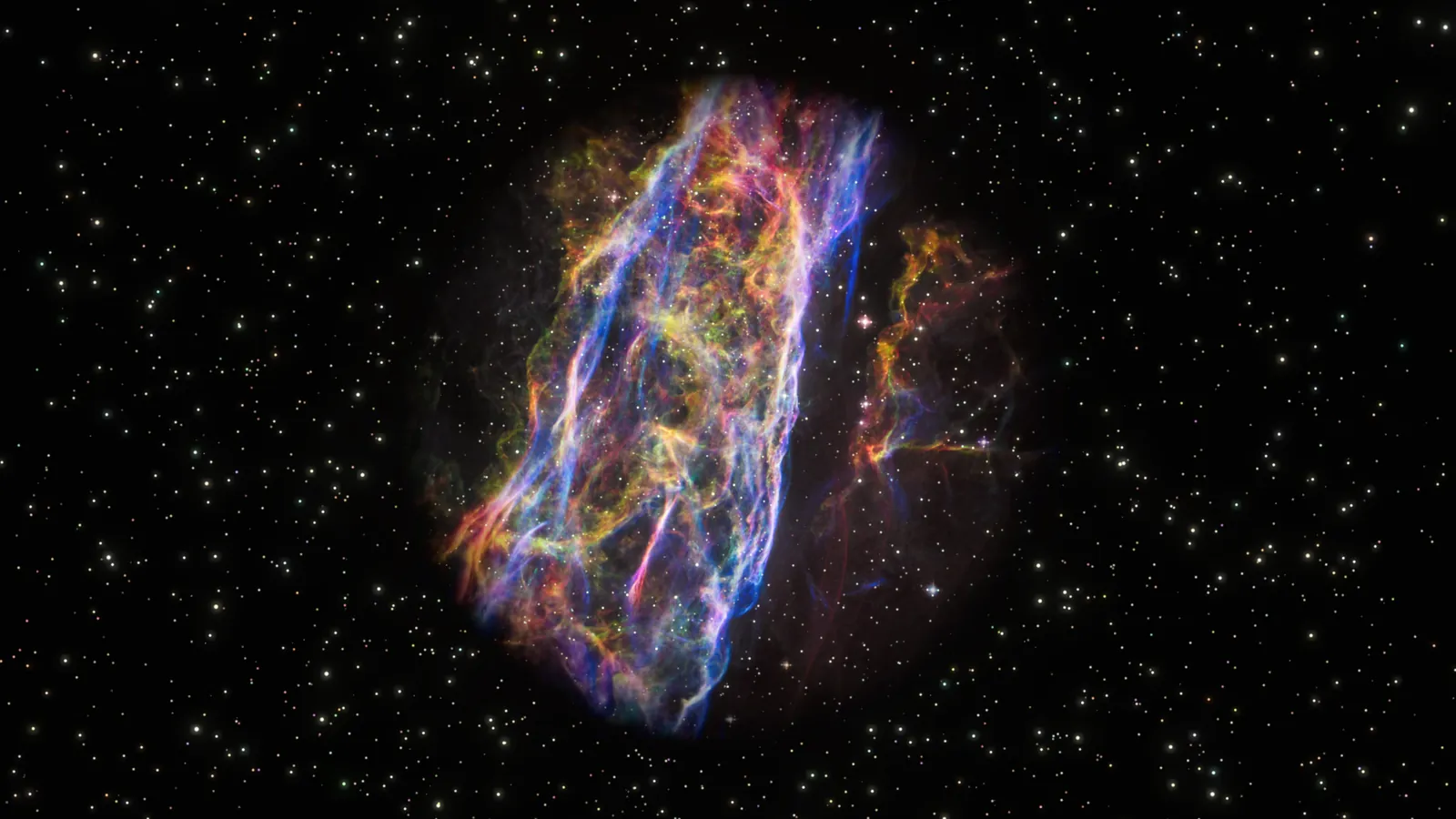
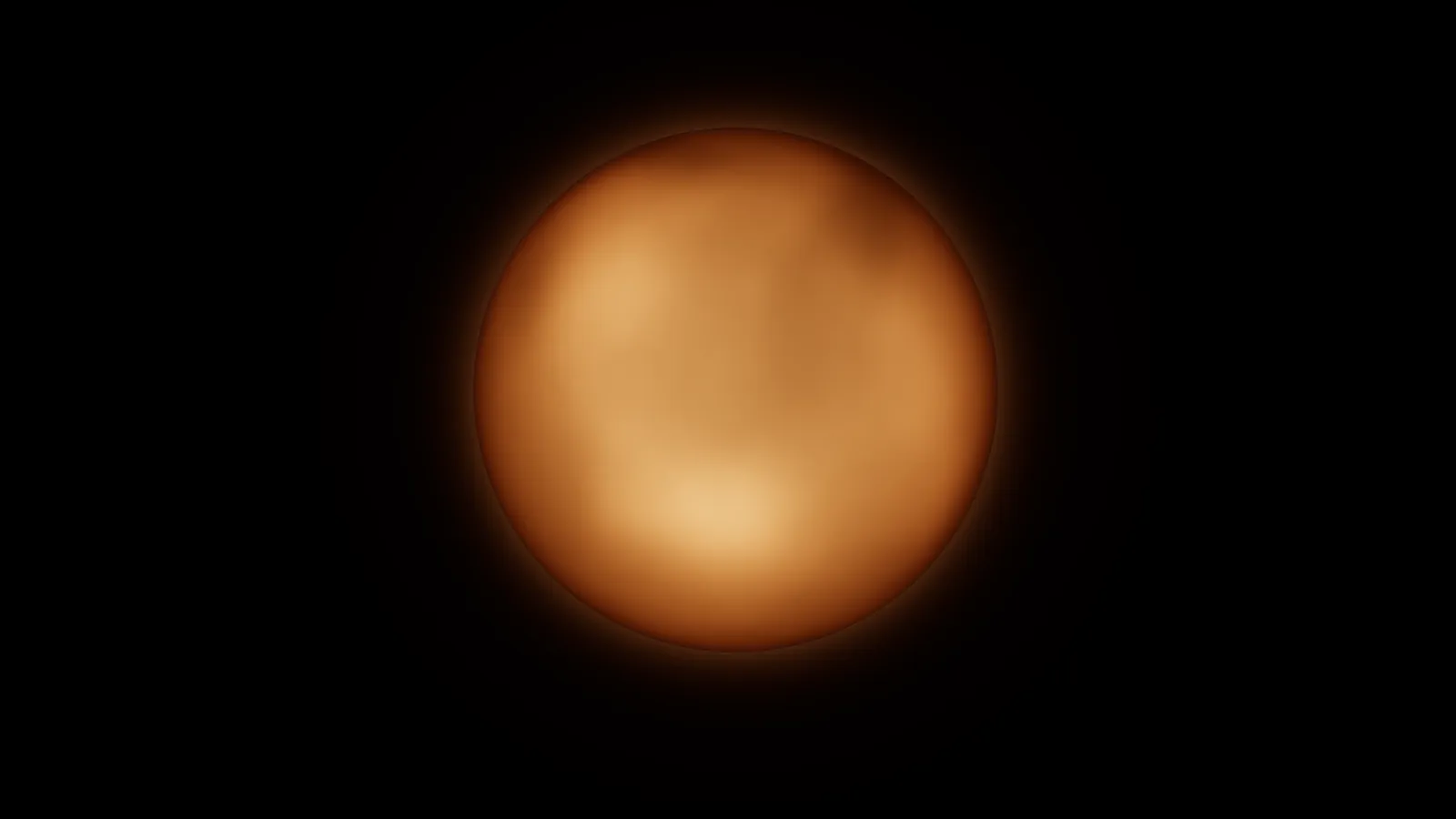
There is no photograph of Cygnus X-1 itself: it is far too small and far away for any telescope to resolve.
Cygnus X-1: the facts
| Masses | black hole about 21 Suns, companion star about 41 (Miller-Jones et al. 2021) [3] |
|---|---|
| Orbit | 5.6 days [2] |
| The companion | HDE 226868, a blue supergiant [2] |
| No photograph | the pair is far too small and distant to resolve; it's a single point of light [3] |
How do we know Cygnus X-1 is a black hole?
Its X-rays first drew attention in the 1960s. Then astronomers measured how the visible companion star wobbles as something unseen pulls it round every 5.6 days. From the size of the wobble they worked out the unseen partner's mass: far more than any neutron star can have, and giving off no light of its own. The only thing that fits is a black hole.
The star's wind, focused toward the hole, feeds a disc of gas that heats to millions of degrees as it spirals inward and glows in X-rays.
Step inside Cygnus X-1 in Everdust
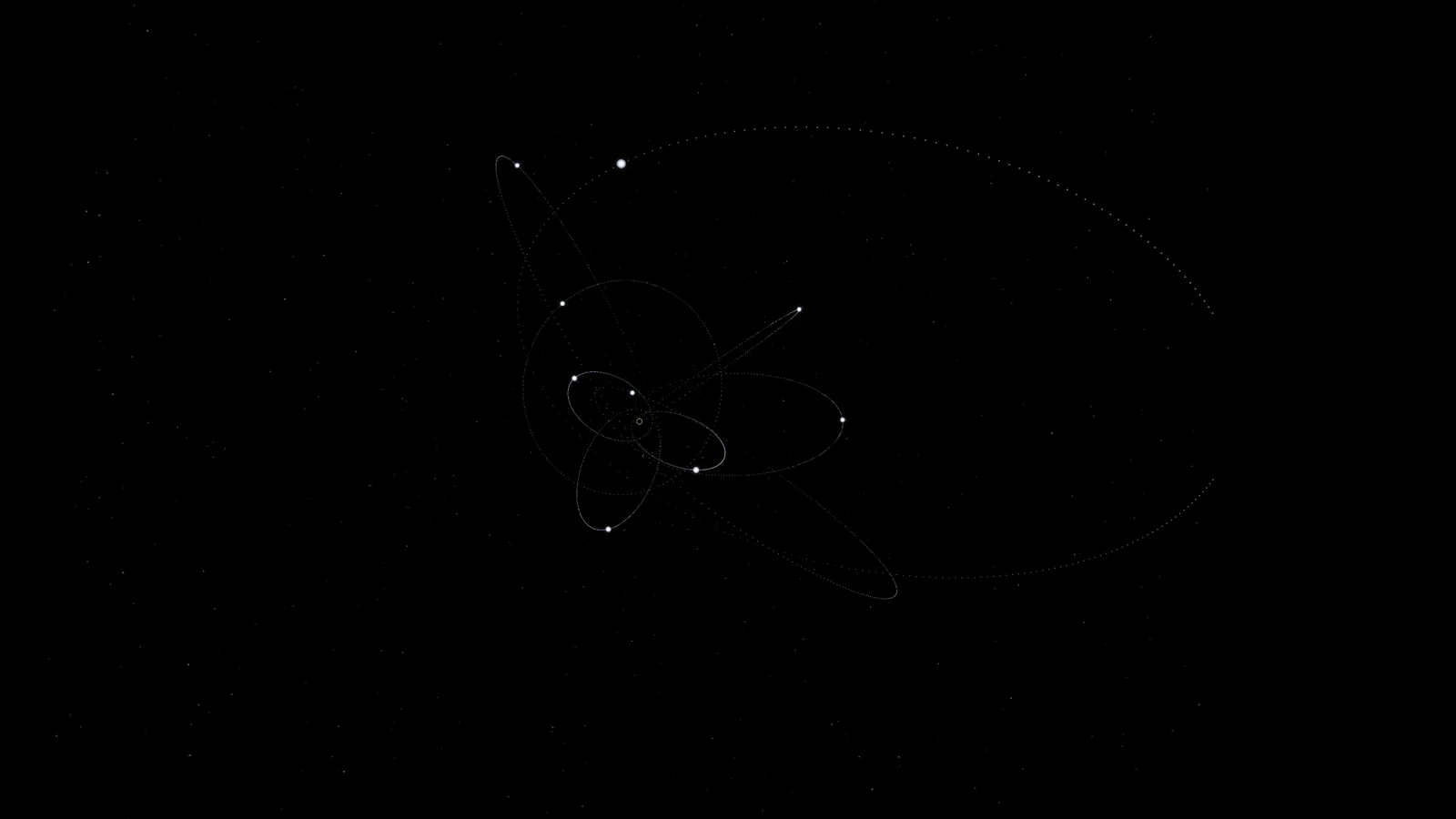
In Everdust’s Night Sky, look at Cygnus X-1 and pinch to fly there on Apple Vision Pro, or tap it on iPhone and iPad. What you arrive in, in the app’s own words: “Cygnus X-1 as it is today: a blue supergiant losing gas to the black hole beside it, which gives no light; only its hot disc glows. Their 5.6-day orbit is sped up. Modelled.”
Everdust on the App Store for iPhone, iPad and Vision Pro
Everdust is free on the App Store for Apple Vision Pro, iPhone and iPad; Night Sky flies to Cygnus X-1 on each. It is also free on Apple TV and on Google Play for Android, with other worlds; Android’s Night Sky has other wonders, not this one. I make Everdust, so weigh that; a star-map app such as Stellarium or SkySafari will find Cygnus X-1 just as well.
Questions people ask
Can I see Cygnus X-1 tonight? It depends on where you are. It can be seen from north of about 45° S, and it is best in the evening sky July to November from mid-northern latitudes. Choose your city on this page for tonight's times and where to look. With binoculars: The companion star, HDE 226868, is a faint star in binoculars or a small telescope near Eta Cygni. The black hole itself can't be seen.
Where is Cygnus X-1 in the sky? In the constellation Cygnus, at right ascension 19h 58m 22s and declination +35° 12′ (J2000). It can be seen from north of about 45° S (farther south it never climbs 10° above the horizon).
Can you see Cygnus X-1? You can see its companion star, a faint point in binoculars near Eta Cygni. The black hole itself gives no light; its disc glows in X-rays, which don't reach the ground.
How far away is Cygnus X-1? About 7,200 light-years (NASA), in the constellation Cygnus, the Swan.
Sources
- Distance: “First confirmed black hole, 7,200 light-years away” (svs.gsfc.nasa.gov, the figure Everdust uses)
- NASA Chandra: Cygnus X-1 (2011)
- Everdust's Cygnus X-1 world: its Learn card (Miller-Jones et al. 2021, Science 371, 1046)
Distance and position: the deep-sky catalog in Everdust’s Night Sky (read November 1, 2026), each figure quoted from the source above. Constellation, seasons and tonight are computed with Astronomy Engine (Don Cross, MIT license). More: Wikipedia.