The Beehive Cluster
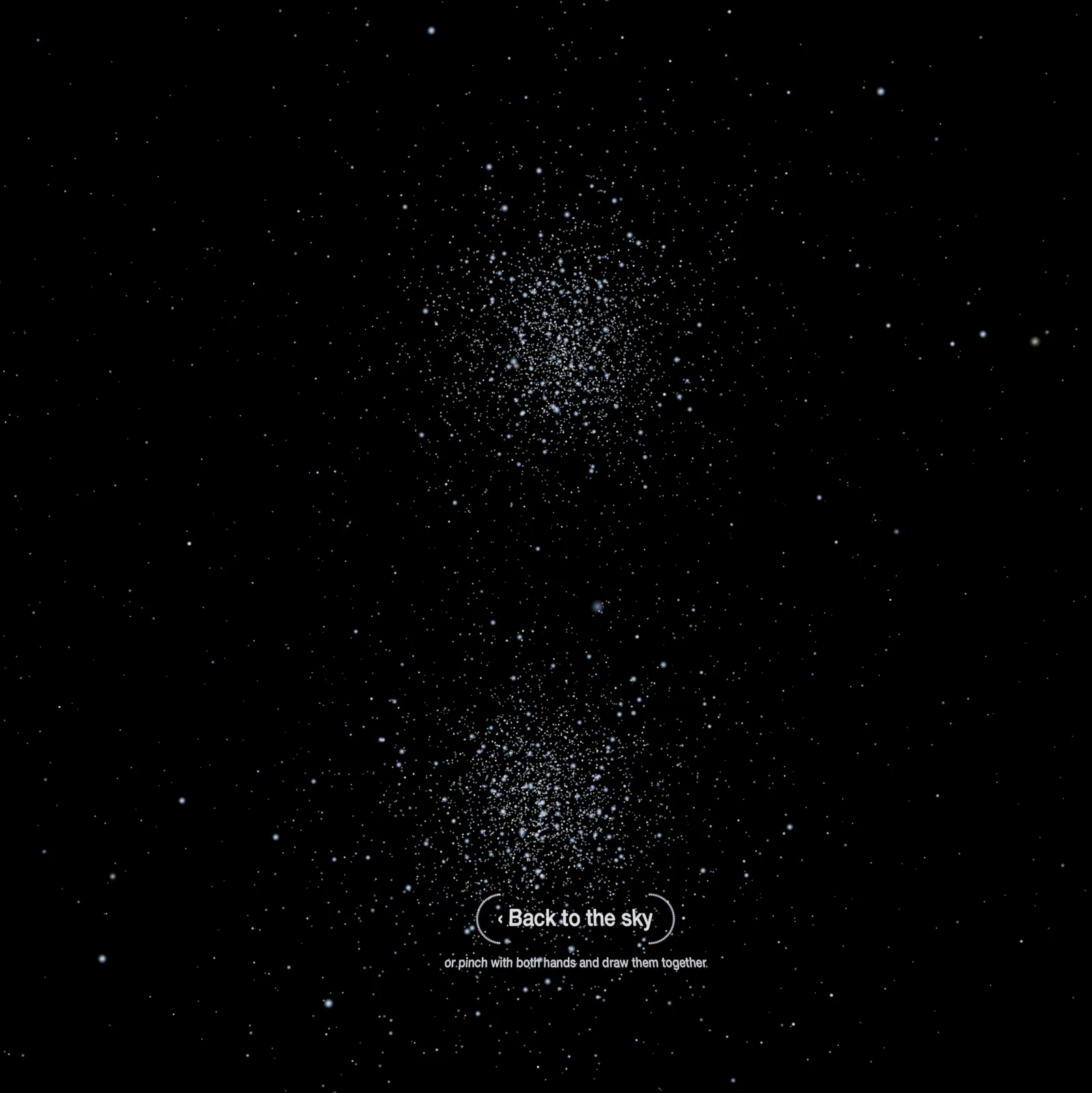
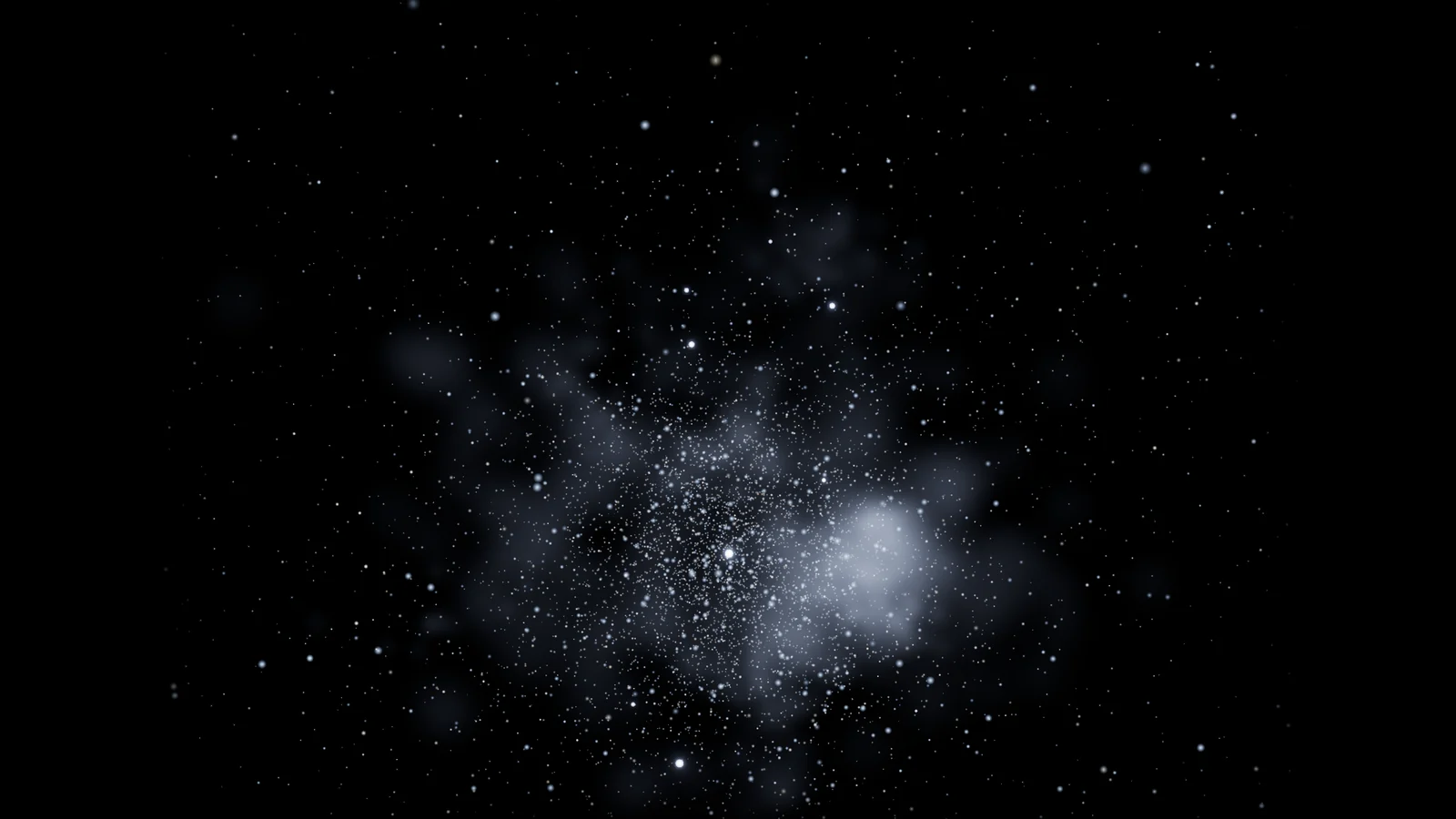
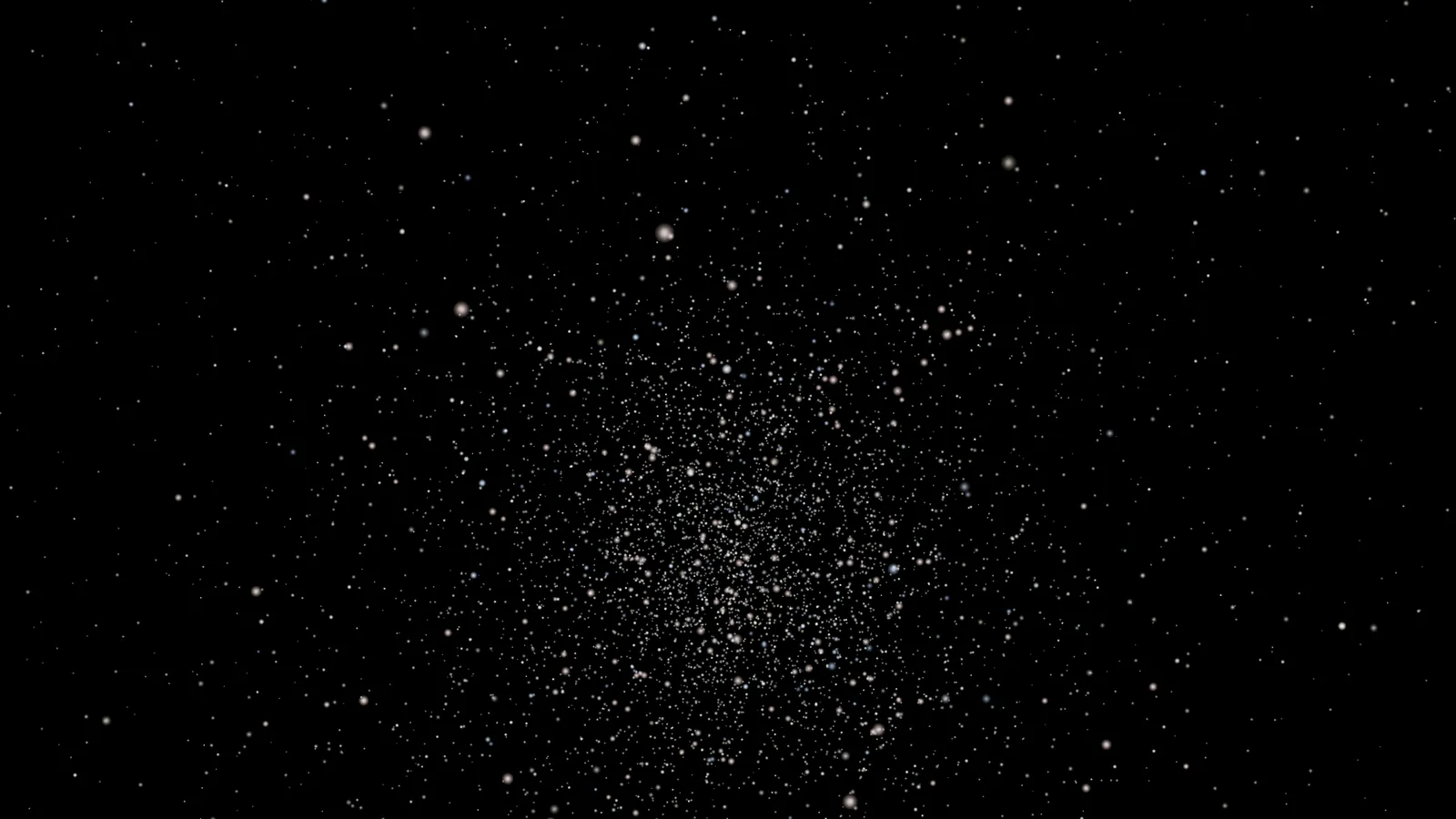
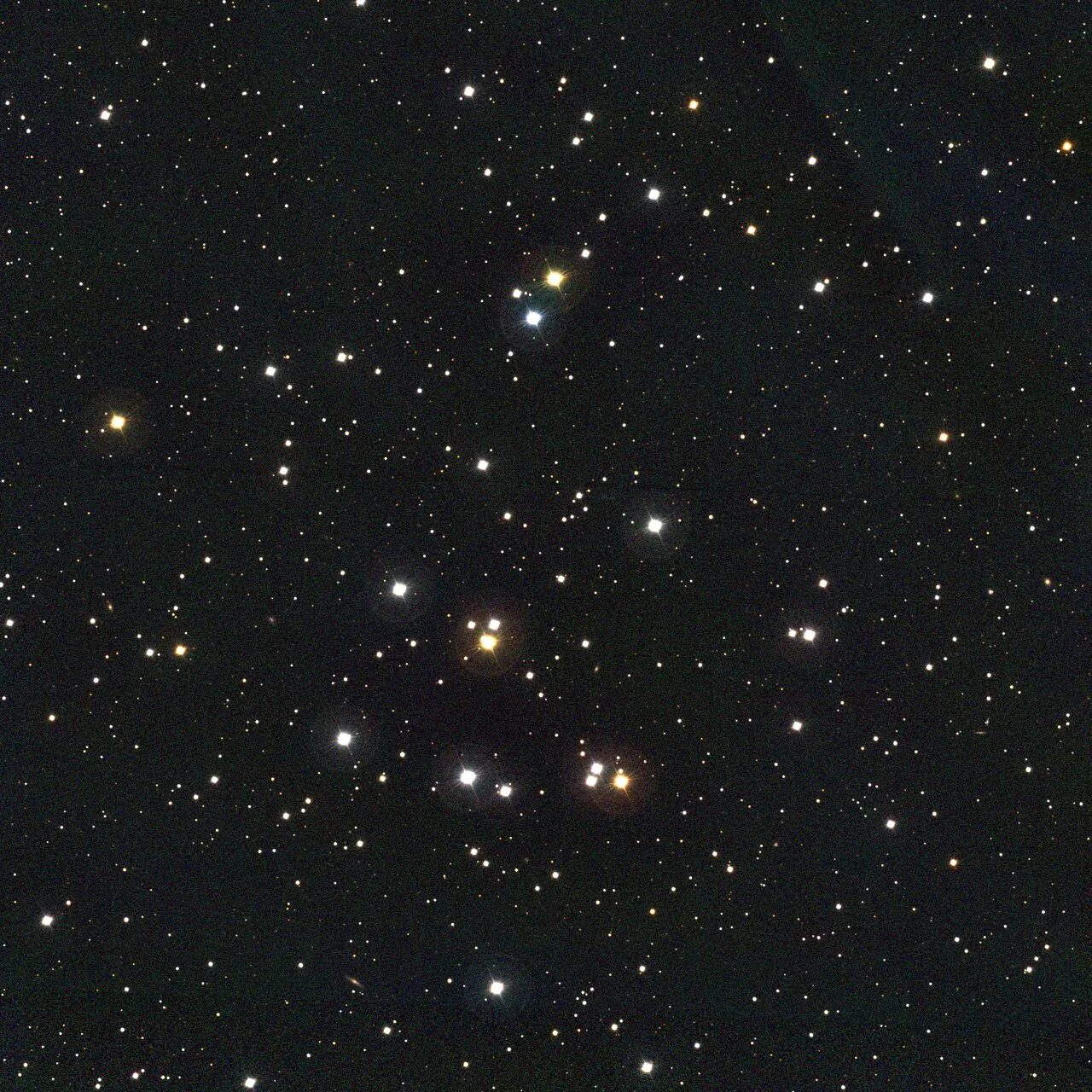
The Beehive Cluster, M44 or Praesepe, is one of the nearest open star clusters, about 600 light-years away in Cancer: around 1,000 stars, loosely bound, born together some 600 to 700 million years ago. To the eye it's a misty patch more than twice as wide as the full Moon, known since prehistoric times; binoculars show it as a swarm of stars.
When to see it
Best evenings: January to May.
Seen from north of about 60° S. Choose your city for tonight’s times and where to look.
“Up” means at least 10° above the horizon while the Sun is at least 12° below it (dark enough for faint nebulae and galaxies). Your location, if you share it, stays on this device.
At a glance
- Distance
- 600 light-years [1]
- The light you see left it
- around the year 1430
- Constellation
- Cancer
- Position (J2000)
- RA 8h 40m 22s, Dec +19° 40′
- Visible from
- north of about 60° S (farther south it never climbs 10° above the horizon)
- High in the evening (9 pm)
- January to May from mid-northern latitudes; March from mid-southern latitudes
- How to see it
- With your eyes
The Beehive Cluster tonight from four cities
| City | Tonight |
|---|---|
| New York | Up now and all night, best around 5:30 am, look south.best 5:30 am, 69° up, south |
| Los Angeles | Up after 11:30 pm, best around 5:30 am, look almost straight up.best 5:30 am, 76° up, overhead |
| London | Up now and all night, best around 5:30 am, look south.best 5:30 am, 58° up, south |
| Sydney | Up after 2:20 am, best around 4:45 am, look north-east.best 4:45 am, 32° up, north-east |
Tonight in each city’s local time, computed November 8, 2026 with Astronomy Engine (the page refreshes every hour). For your own city, choose it above.
The Beehive Cluster: the facts
| Also called | M44, Praesepe (Latin for 'manger'), NGC 2632 [2] |
|---|---|
| Stars | around 1,000, loosely held by gravity [1] |
| Age | about 600 to 700 million years [1] |
| Brightness | magnitude 3.7 [1] |
| History | one of the first objects Galileo turned his telescope on [2] |
How do you find the Beehive Cluster?
Cancer is a faint constellation between the bright twins of Gemini (Castor and Pollux) and Regulus in Leo. Look roughly halfway between Pollux and Regulus on a dark night: the Beehive is the misty patch in the middle of Cancer's dim stars. Binoculars resolve it at once.
It's an evening object from late winter into spring in the Northern Hemisphere; the Moon and planets pass close to it now and then, because it lies near the ecliptic.
Step inside the Beehive Cluster in Everdust
In Everdust’s Night Sky, look at the Beehive Cluster and pinch to fly there on Apple Vision Pro, or tap it on iPhone, iPad and Android. What you arrive in, in the app’s own words: “The Beehive as it is today: about 600 to 700 million years old, modelled round its brightest stars. Their slow drift is sped up.”
Everdust on the App Store for iPhone, iPad and Vision ProEverdust on Google Play for Android
Everdust is free on the App Store for Apple Vision Pro, iPhone and iPad, and on Google Play for Android; Night Sky flies to the Beehive Cluster on all of them. It is also free on Apple TV, with other worlds. I make Everdust, so weigh that; a star-map app such as Stellarium or SkySafari will find the Beehive Cluster just as well.
Questions people ask
Can I see the Beehive Cluster tonight? It depends on where you are. It can be seen from north of about 60° S, and it is best in the evening sky January to May from mid-northern latitudes and March from mid-southern latitudes. Choose your city on this page for tonight's times and where to look. With your eyes: A misty patch to the eye from a dark site, between Gemini's twins and Regulus in Leo; binoculars show dozens of stars.
Where is the Beehive Cluster in the sky? In the constellation Cancer, at right ascension 8h 40m 22s and declination +19° 40′ (J2000). It can be seen from north of about 60° S (farther south it never climbs 10° above the horizon).
How far away is the Beehive Cluster? About 600 light-years (NASA), one of the closest open clusters to Earth.
Why is it called the Beehive? Through binoculars or a small telescope its stars look like a swarm of bees. Its older name, Praesepe, is Latin for 'manger'.
Sources
- Distance: “one of the closest to Earth at approximately 600 light-years away” (science.nasa.gov, the figure Everdust uses)
- NOIRLab noao-m44: M44, NGC 2632
Distance and position: the deep-sky catalog in Everdust’s Night Sky (read November 1, 2026), each figure quoted from the source above. Constellation, seasons and tonight are computed with Astronomy Engine (Don Cross, MIT license). More: Wikipedia.