Free space VJ loops and visuals (2026): where to get them, and what the licenses let you do
Where VJs, streamers and video makers can get free space visuals, from Beeple's Creative Commons VJ clips and ESO's fulldome VJ clips to NASA's public domain visualizations, ESA's Hubble and Webb videos and the big stock sites, plus Everdust's free 4K loop sampler. What each license allows for live shows and paid work, and the credit each one asks for, by the maker of one of them.
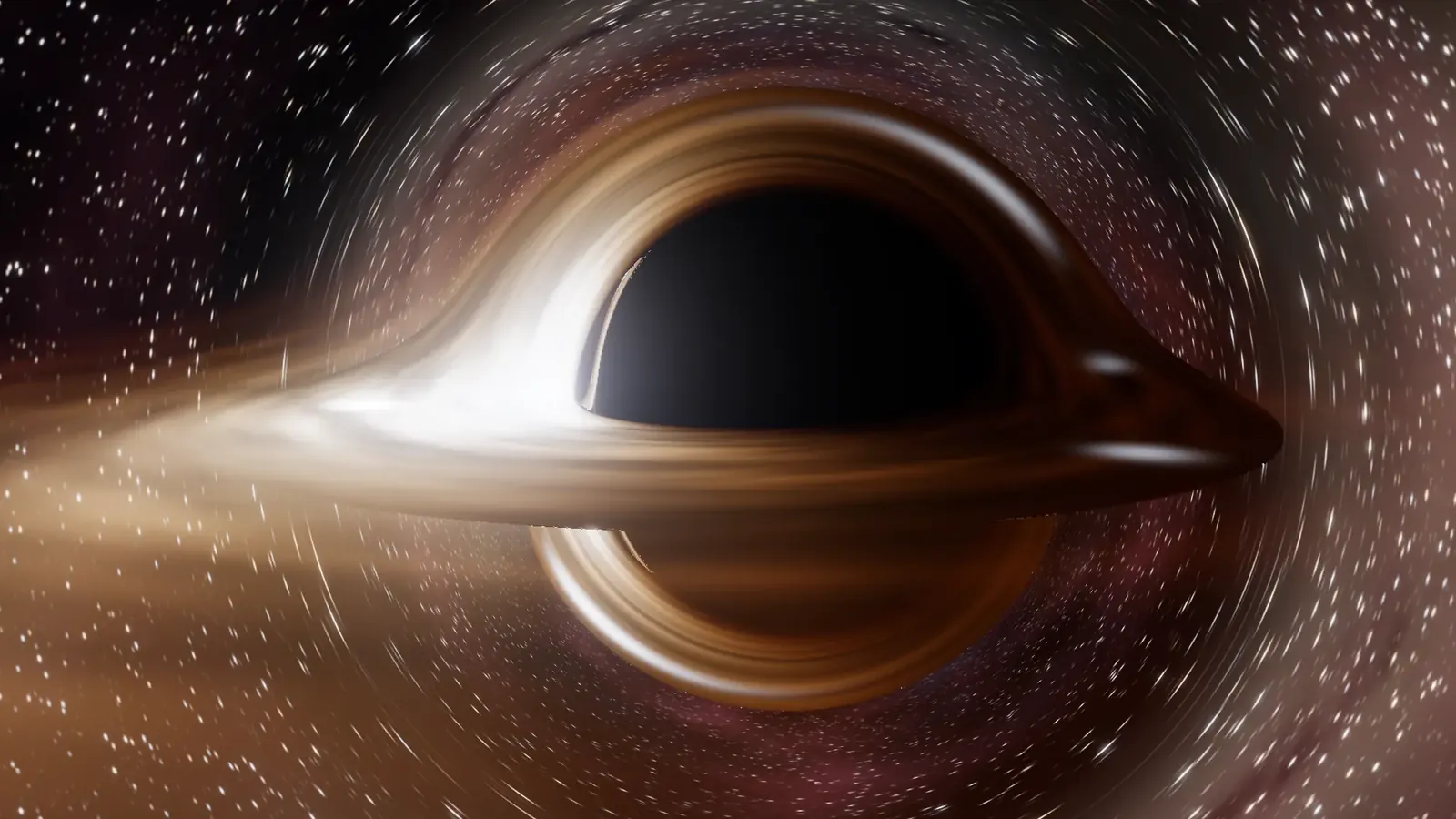
The best free space VJ loops are Beeple's VJ clips, which he releases under a Creative Commons license for commercial and non-commercial use, and ESO's fulldome VJ clips, under CC BY 4.0. Both are made to be looped in a live set. For raw space footage, NASA's Scientific Visualization Studio is public domain, much of it 4K, and ESA's Hubble and Webb videos are CC BY 4.0 with a visible credit. Stock sites such as Pexels, Pixabay and Mixkit have free space clips too, but most aren't seamless loops. Everdust, which I make, gives away a free sampler of 6 seamless 4K loops cut from real gravity simulations, licensed for live shows, streams and paid work, with no credit required.
I make Everdust Loops, so read this with that in mind. I've summarized each source from its own license or terms page, checked November 6, 2026. This isn't legal advice, and licenses change, so read the terms yourself before a paid job.
The short answer
- Made for VJ sets, free: Beeple's VJ clips; ESO's fulldome VJ clips.
- Real science footage, public domain: NASA's Scientific Visualization Studio (SVS), within NASA's media rules.
- Hubble, Webb and observatory video, free with credit: ESA/Hubble, ESA/Webb, ESO and NSF NOIRLab, all CC BY 4.0.
- Quick stock clips: Pexels, Pixabay or Mixkit, checking each clip's label.
- Seamless 4K and vertical loops of simulated galaxies and black holes, free: the Everdust Loops sampler.
The one rule to check first: credit, live
Most of the science sources are free under Creative Commons Attribution (CC BY 4.0). That allows commercial use and editing, but you must show the credit they ask for. In a video that means on screen or in the end credits, not just the description, and in a live set a credit slide or overlay works. ESA, ESO and NOIRLab say this outright.
Also watch for:
- Share-alike (CC BY-SA): your edited video has to carry the same license.
- Non-commercial or no-derivatives (NC, ND): no paid gigs or monetized videos with NC, and no editing at all with ND.
- Soundtracks: the music on NASA, ESA, ESO and Beeple clips is usually not covered by the footage license. Mute it.
- Logos and endorsement: none of these let you use their logos, or suggest they endorse you or a sponsor.
Beeple's VJ clips
Mike Winkelmann, the artist known as Beeple, has given away VJ clips for years: abstract, sci-fi and space-ish pieces, many labeled "(loop)". His page says they're "released under the Creative Commons license and are available for both commercial and non-commercial work in ANY form". It doesn't name a Creative Commons version, and it says the audio rights stay with their owners. Most are HD, some 4K. They download as zip files, no sign-up.
Pick them if you want loops built for VJing, with a style many people know.
ESO's fulldome VJ clips
The European Southern Observatory has a set of fulldome "VJ clips", some made with Beeple's work, for music nights in planetariums. They're 4K fulldome masters with MP4 previews, about 13 to 49 seconds each. ESO's videos, including its music archive, are CC BY 4.0, with the credit shown on each one. ESO asks you to note changes you make, and to disclose if you modify its content with AI.
Pick them if you play domes, or want space VJ clips with clear, generous terms.
NASA's Scientific Visualization Studio
NASA SVS at Goddard publishes scientific visualizations: the Earth, the Sun, black holes, the planets. Its help page says newer ones are mostly 4K at 30 or 60 fps, as video or frame sequences, and that its content is public domain unless noted. That includes commercial use. NASA's media guidelines still apply. Credit NASA as the source, don't use the NASA insignia or logotype, don't imply NASA endorses you, don't use current astronauts in promotion, and don't use the media for NFTs. Some SVS soundtracks are licensed music.
These are clips, not loops, so you'll need to loop them yourself, for example with a crossfade.
Pick it if you want real science visualizations at 4K with almost no strings.
ESA/Hubble, ESA/Webb and NOIRLab
ESA/Hubble and ESA/Webb have zooms, pans and animations of Hubble and Webb images, with 4K MP4 and broadcast formats for Hubble, and fulldome versions of some. NSF NOIRLab has telescope timelapses and animations. All three are CC BY 4.0. Use the credit as given, for example "ESA/Hubble" or "ESA/Webb", shown in the video. ESA says to note significant changes after the credit. Logos need written permission, and identifiable people need their consent for commercial use.
Pick them if you want the famous telescope images, moving.
Pexels, Pixabay and Mixkit
The big free stock sites all have space footage: starfields, nebulae, planets, warp tunnels.
- Pexels (Canva): free to use, credit "not necessary but always appreciated". You can't sell clips unaltered or redistribute them on other stock or wallpaper sites.
- Pixabay (Canva): free, including commercial use, no credit required. No stand-alone resale or redistribution, and content showing trademarks can't be used commercially for goods or services.
- Mixkit (Envato): free, no attribution, no sign-up, under its Stock Video Free License. Some clips carry a Restricted License that is personal and non-commercial only, so check each one.
Almost none of it is made as seamless loops.
Pick them if you need a specific shot quickly and will loop or cut it yourself.
Everdust Loops: the free sampler
Everdust Loops are seamless loops cut from the simulations inside Everdust, the app I make, so every frame is a real gravity simulation, not a rendered picture. The free sampler is 6 loops from the Cosmos I: Collisions pack: Tidal Tails, Inspiral, Kerr Disk, Kerr Face On, Saturn Rings and Cosmic Web. Each comes in 4K at 60 fps and in vertical 9:16.
They're under the Standard tier of the Everdust Loops license: live shows and VJ sets, events, streams, monetized social video, music videos, advertising and client work, for one person or a small company. No credit is required. Two loops, Kerr Disk and Kerr Face On, show stars from the HYG Database, so they're also CC BY-SA 4.0 and need its credit: "Star sky: HYG Database v4.0, David Nash / astronexus, CC BY-SA 4.0, modified by Everdust". You can't share or resell the loop files themselves, mint them as NFTs, or use them to train AI. You get the sampler by email, and paid packs are on the loops page.
Pick it if you want space visuals that move like the real physics, ready to loop in 4K and vertical.
How to choose
- For a VJ set tonight, start with Beeple's clips and the Everdust sampler, which are already loops.
- For a dome, use ESO's fulldome VJ clips.
- For science-accurate footage in a documentary or a talk, use NASA SVS, ESA/Hubble or ESA/Webb, and put the credit on screen.
- For a one-off stock shot, use Pexels, Pixabay or Mixkit.
If you're after live, music-reactive visuals rather than files, Everdust itself runs on Apple Vision Pro, iPhone, iPad, Apple TV, Android and Meta Quest, and there's a free Mac download. For headsets, see music visualizer apps for Vision Pro.
Questions people ask
Where can I get free space VJ loops? Beeple's VJ clips are free under a Creative Commons license for commercial and non-commercial use. ESO has free fulldome VJ clips under CC BY 4.0, and Everdust gives away a sampler of 6 seamless 4K space loops. For footage you loop yourself, NASA SVS is public domain, and ESA/Hubble and ESA/Webb are CC BY 4.0.
Can I use NASA videos in a paid VJ set? Generally yes. NASA SVS content is public domain unless noted. Credit NASA, don't use the NASA logo, don't imply NASA endorses you or a sponsor, and mute any licensed music.
Do I need to credit ESA or ESO in a live show? Yes. Their videos are CC BY 4.0, which requires the credit they give, for example "ESA/Hubble", shown with the work. A credit slide or overlay during the set does it.
Are Beeple's VJ loops free for commercial use? His page says they're released under a Creative Commons license for commercial and non-commercial work in any form. It doesn't name the version, and the audio isn't covered.
Can I use Everdust's free loops in a stream or a paid gig? Yes. The sampler is under the Standard tier, which covers live shows and VJ sets, streams, monetized video and client work, with no credit required. Two of the loops need a CC BY-SA credit for their star data.
What's the difference between a loop and a clip? A loop is cut so its last frame flows into its first, so it can play forever without a visible jump. Most stock and science footage are clips, which you'd need to loop with a crossfade or by playing forward then backward.
Sources
- Beeple, VJ loops.
- ESO, Copyright and fulldome videos.
- NASA Scientific Visualization Studio, help; NASA, images and media usage guidelines.
- ESA/Hubble, copyright and video formats; ESA/Webb, copyright; NSF NOIRLab, copyright.
- Pexels license, Pixabay license summary, Mixkit license.
- Everdust Loops license and the free sampler.
- All checked November 6, 2026.